 Login
Login

If you are researching PurKratom, one of the questions you may have is whether the company is listed as an American Kratom Association (AKA) GMP Qualified Vendor.
PurKratom is currently listed on the American Kratom Association's GMP Qualified Vendors list. The AKA explains that its GMP Standards Program uses independent third-party audits to evaluate participating vendors against program requirements.
As of the current American Kratom Association GMP Qualified Vendors page, PurKratom is included in the published list of qualified vendors. The AKA's own program information explains that participating vendors must undergo an independent third-party audit and meet the applicable requirements of the AKA GMP Standards Program.
The AKA specifically states that its GMP program is intended to verify compliance with its standards for areas such as manufacturing, testing, processing, packaging, storage, distribution, and labeling. The organization also states that GMP certification represents facility and process certification rather than product certification.
This distinction matters if you are comparing kratom vendors and trying to understand what a GMP designation actually tells you.
This guide explains what the listing means, how the AKA GMP program works, what it does and does not establish, and what other information a consumer should review before making a purchasing decision.
For additional consumer information, PurKratom provides a searchable laboratory-results and Certificates of Analysis resource.
Is PurKratom currently listed as an AKA GMP Qualified Vendor?
Yes. PurKratom appears on the American Kratom Association's current GMP Qualified Vendors list. The listing identifies PurKratom among the vendors participating in the AKA GMP Standards Program.
The distinction between being listed as an AKA GMP Qualified Vendor and being described as a company whose products are "GMP certified" is important.
The AKA's program is designed around vendor and facility practices. According to the AKA, participants seeking qualification must demonstrate through a third-party evaluation that they comply with applicable manufacturing, testing, processing, packaging, storage, distribution, and labeling requirements.
The AKA also states that vendors must maintain their status through an annual independent audit.
A careful consumer should therefore look at both the vendor-level information and the product-specific information that is available.
What does AKA GMP Qualified mean?
AKA GMP Qualified refers to participation in the American Kratom Association's Good Manufacturing Practice Standards Program.
The AKA says the program was created to give consumers information that can help them make informed decisions about kratom-containing products. Participating vendors must satisfy program requirements and undergo independent third-party evaluation.
The program covers areas associated with bringing kratom-containing products to market, including applicable:
- Manufacturing practices
- Testing practices
- Processing
- Packaging
- Storage
- Distribution
- Labeling
- Labeling documentation
The AKA describes the program as a mechanism for evaluating whether participants follow the standards established by the program.
In simple terms
What does AKA GMP Qualified mean?
AKA GMP Qualified refers to participation in the American Kratom Association's Good Manufacturing Practice Standards Program.
The AKA says the program was created to give consumers information that can help them make informed decisions about kratom-containing products. Participating vendors must satisfy program requirements and undergo independent third-party evaluation.
The program covers areas associated with bringing kratom-containing products to market, including applicable:
- Manufacturing practices
- Testing practices
- Processing
- Packaging
- Storage
- Distribution
- Labeling
- Labeling documentation
The AKA describes the program as a mechanism for evaluating whether participants follow the standards established by the program.
In simple terms
AKA GMP qualification is a vendor and process-level quality standard administered by the American Kratom Association. It is not a government approval of kratom or a guarantee about an individual product.
How does the AKA GMP Standards Program work?
The AKA describes a structured process for vendors seeking GMP Qualified status.
According to the current program information, participating vendors must review the applicable standards and terms, register with the AKA, prepare their operations for compliance, arrange an inspection with a third-party auditor, and submit the resulting audit documentation. The auditors and testing laboratories used in the program must be approved by the AKA.
The basic process includes:
- Reviewing the AKA GMP Standards Requirements.
- Reviewing the AKA GMP Terms and Conditions.
- Registering with the AKA.
- Completing an orientation process.
- Implementing applicable GMP and labeling requirements.
- Arranging an inspection with a qualified third-party auditor.
- Completing the independent audit.
- Submitting the audit report to the AKA.
- Receiving the AKA's determination after review.
The AKA states that vendors must also submit proof of an annual successful third-party audit and maintain the applicable registration requirements to retain qualified status.
This annual component is important because GMP qualification is not simply a one-time statement that remains permanently valid.
What happens if a vendor no longer meets requirements?
The AKA states that it may remove or suspend a participant's Qualified Vendor status for reasons including failure to maintain program standards, failure to pay the annual registration fee, failure to submit an annual audit, failure to correct audit findings, or multiple reports of adverse events associated with marketed products.
That means a consumer checking GMP status should look at the current vendor list, rather than relying solely on an old certification image, historical article, or archived marketing statement.
What does AKA GMP qualification evaluate?
The exact requirements applicable to a vendor depend on the vendor's activities and business model.
The AKA explains that its updated program is designed to address the complexity involved in bringing kratom-containing products to market. Its requirements can apply to manufacturing, testing, processing, packaging, storage, distribution, and labeling activities.
This makes GMP qualification relevant to more than one stage of the supply chain.
Manufacturing
Manufacturing controls can be important because the quality of a finished product depends partly on how materials are handled and processed.
Testing
Testing procedures can provide information about characteristics that a vendor is evaluating. However, consumers should still distinguish between the existence of a testing program and the specific results for a particular product or batch.
Packaging and labeling
Labels are a key source of information for consumers. The AKA GMP program includes requirements relating to labeling and labeling information.
Storage and holding
How materials and finished products are stored can form part of the broader process evaluated under GMP standards.
Distribution
The AKA's current program also addresses distribution activities where applicable to a participating vendor's operations.
The important point is that GMP qualification is broader than a single laboratory result. It concerns processes and practices across relevant parts of the product lifecycle.
What does GMP stand for?
GMP means Good Manufacturing Practice.
In the AKA program, the standards are administered by the American Kratom Association and are evaluated through independent third-party auditing. The program's manufacturing requirements are largely based on concepts associated with the federal current Good Manufacturing Practice requirements in 21 CFR Part 111, but the AKA makes clear that participation in its program does not mean the products must be labeled as dietary supplements.
Does AKA GMP certification apply to individual products?
Not in the same way as product-specific laboratory documentation.
The AKA explicitly states that its GMP certification represents facility and process certification rather than product certification.
That means consumers should not assume that seeing a vendor listed as an AKA GMP Qualified Vendor automatically provides every analytical detail about every product sold by that vendor.
For product-level information, consumers should look for documentation that relates to the product or batch in question.
Potentially relevant information may include:
- Product identification
- Batch or lot information
- Laboratory testing
- Alkaloid analysis
- Microbiological testing
- Heavy-metal testing
- Other product-specific analytical information
- Applicable Certificates of Analysis
The availability and contents of such documentation should always be verified against the current source rather than assumed.
How can consumers evaluate kratom vendor quality?
AKA GMP status can be one useful piece of information, but a thoughtful evaluation should go beyond a logo or certification statement.
1. Verify the vendor's current status
Start with the organization's current official list.
The AKA currently lists PurKratom among its GMP Qualified Vendors.
This is stronger verification than relying on an old article or screenshot.
2. Look for product-specific information
A vendor-level qualification does not replace product-specific documentation.
If laboratory results or Certificates of Analysis are available, review the documentation applicable to the product or batch you are considering.
3. Understand what the laboratory test actually measures
"Lab tested" is a broad phrase.
A useful review asks:
- What was tested?
- What laboratory performed the analysis?
- What product or batch was tested?
- When was the test conducted?
- What analytical results were reported?
- Does the documentation identify the product clearly?
The answers matter more than a generic statement that testing occurs.
4. Review labeling
Clear labeling can help consumers understand what they are purchasing.
The AKA GMP program specifically includes labeling among the areas covered by its standards.
5. Review policies
Consumers may also want to review current information regarding:
- Shipping
- Returns
- Terms
- Product information
- Customer support
- Applicable restrictions
PurKratom's Shipping Policy should be used for current shipping information rather than relying on historical information.
6. Separate quality information from health claims
A vendor's manufacturing practices do not establish that kratom treats a disease or produces a particular medical outcome.
What laboratory information should consumers review?
Laboratory documentation can help consumers understand what was actually analyzed rather than relying only on general marketing language.
For example, a product-specific report may contain information related to analytical testing such as alkaloid content, microbiological parameters, or heavy metals, depending on the test performed.
However, a laboratory report should be interpreted carefully.
Testing is not the same as a safety guarantee
A test result can document the outcome of a particular analytical procedure.
It does not automatically establish that a product is "risk-free" or universally safe.
That is why precise language matters.
It is more accurate to say:
- Laboratory results are available.
- A product has documented testing.
- A particular analysis reports specific results.
It is not appropriate to turn a testing result into a blanket claim that a product is completely safe.
Product-specific documentation matters
Testing information becomes more useful when the consumer can connect the report to the actual product being evaluated.
For this reason, consumers should check whether available documentation identifies relevant product or batch information.
PurKratom's searchable lab-results resource provides a starting point for reviewing available documentation.
Why transparency matters when evaluating kratom vendors
Kratom is a complex subject because consumers encounter a mixture of commercial claims, personal experiences, scientific research, regulatory information, and industry standards.
These categories should not be treated as interchangeable.
For example:
A customer review is an individual experience.
A marketing statement is a commercial claim.
A laboratory report is analytical documentation.
An AKA GMP qualification is a vendor/facility and process-level designation under an industry-administered program.
An FDA statement is information from a federal regulatory authority.
What is the difference between AKA GMP and laboratory testing?
The terms are related to quality evaluation but describe different things.
| AKA GMP Qualification | Laboratory Testing |
|---|---|
| Administered by the American Kratom Association | Performed by a laboratory |
| Uses an independent third-party audit as part of qualification | Produces analytical test results |
| Evaluates applicable vendor/facility processes | Evaluates the sample submitted for a specific analysis |
| Can cover manufacturing, testing, processing, packaging, storage, distribution, and labeling | Scope depends on the test performed |
| Represents facility and process certification | Can provide product- or batch-specific information |
| Does not constitute FDA approval | Does not constitute FDA approval |
| Does not mean AKA endorses the product | Does not automatically establish absolute product safety |
For readers who want to understand the products themselves, PurKratom's educational resources can provide additional background on kratom and product formats.
What is the difference between AKA GMP and laboratory testing?
The terms are related to quality evaluation but describe different things.
| AKA GMP Qualification | Laboratory Testing |
|---|---|
| Administered by the American Kratom Association | Performed by a laboratory |
| Uses an independent third-party audit as part of qualification | Produces analytical test results |
| Evaluates applicable vendor/facility processes | Evaluates the sample submitted for a specific analysis |
| Can cover manufacturing, testing, processing, packaging, storage, distribution, and labeling | Scope depends on the test performed |
| Represents facility and process certification | Can provide product- or batch-specific information |
| Does not constitute FDA approval | Does not constitute FDA approval |
| Does not mean AKA endorses the product | Does not automatically establish absolute product safety |
GMP asks whether applicable processes and practices meet a defined set of standards. Laboratory testing asks what the laboratory analysis found in the submitted sample.
Both types of information can be useful, but neither should be represented as something it is not.
Why should consumers check the current AKA list instead of relying on old information?
Certification and qualification status can change.
The AKA's current program requires participating vendors to maintain their status through annual requirements, including an independent audit. The organization also states that it may suspend or remove qualified status under specified circumstances.
That makes current verification important.
An article published several years ago, an old screenshot, or a vendor's historical marketing statement may not reflect today's status.
For this reason, when verifying whether a company is an AKA GMP Qualified Vendor, the best practice is to consult the current AKA Qualified Vendors list.
At the time of this article's preparation, that list includes PurKratom.
Frequently Asked Questions (FAQs)
1. Is PurKratom an AKA GMP Qualified Vendor?
Yes. PurKratom is currently included on the American Kratom Association's published GMP Qualified Vendors list.
2. What does AKA GMP Qualified mean?
It means the vendor has qualified under the American Kratom Association's GMP Standards Program, which includes independent third-party evaluation against applicable program requirements.
2. Does the AKA endorse PurKratom because it is listed?
No. The AKA specifically states that participation in its GMP program or listing on its Qualified Vendors list should not be construed as an endorsement of a vendor, product, organization, or service.
3.Does AKA GMP certify every PurKratom product?
No. The AKA states that its GMP certification represents facility and process certification rather than product certification. Product-specific information should be reviewed separately.
4. Does GMP qualification mean a kratom product is safe?
No. GMP qualification should not be interpreted as a guarantee that an individual product is completely safe or risk-free.
5. How often must an AKA GMP Qualified Vendor maintain its qualification?
The AKA states that vendors must register and pass an annual independent audit to maintain qualified status.
6. Where can I verify whether PurKratom is on the AKA list?
The current AKA GMP Qualified Vendors page is the appropriate place to verify the listing. PurKratom appears on that current list.
7. Where can I find PurKratom laboratory information?
PurKratom provides a searchable laboratory-results and Certificates of Analysis resource. Available documentation should be reviewed on a product- or batch-specific basis where applicable.
8. Is kratom FDA approved for treating a medical condition?
No. The FDA states that there are no FDA-approved kratom drug products and continues to warn consumers about risks associated with kratom.
So, is PurKratom listed as an AKA GMP Qualified Vendor? Yes. PurKratom appears on the American Kratom Association’s current GMP Qualified Vendors list.
However, the most important takeaway is understanding what that listing actually means. AKA GMP qualification is connected to an independent third-party audit of a vendor’s manufacturing and related processes. It is not FDA approval, a guarantee of product safety or effectiveness, or an endorsement of individual products by the AKA.
For consumers, the best approach is to look beyond a single certification or label. Consider whether a vendor provides clear information about its manufacturing practices, testing, product identification, and applicable policies. When available, reviewing product-specific laboratory information can also help you make a more informed purchasing decision.
If you’re researching PurKratom, start by reviewing the company’s available information and searching its lab results before making a purchase. Staying informed about GMP standards, testing practices, and applicable regulations can help you better understand what you’re buying.
Ready to learn more? Visit PurKratom to explore the company’s products and resources, or use the PurKratom Lab Results Search to review available product testing information.

Based on your interest,
we recommend:
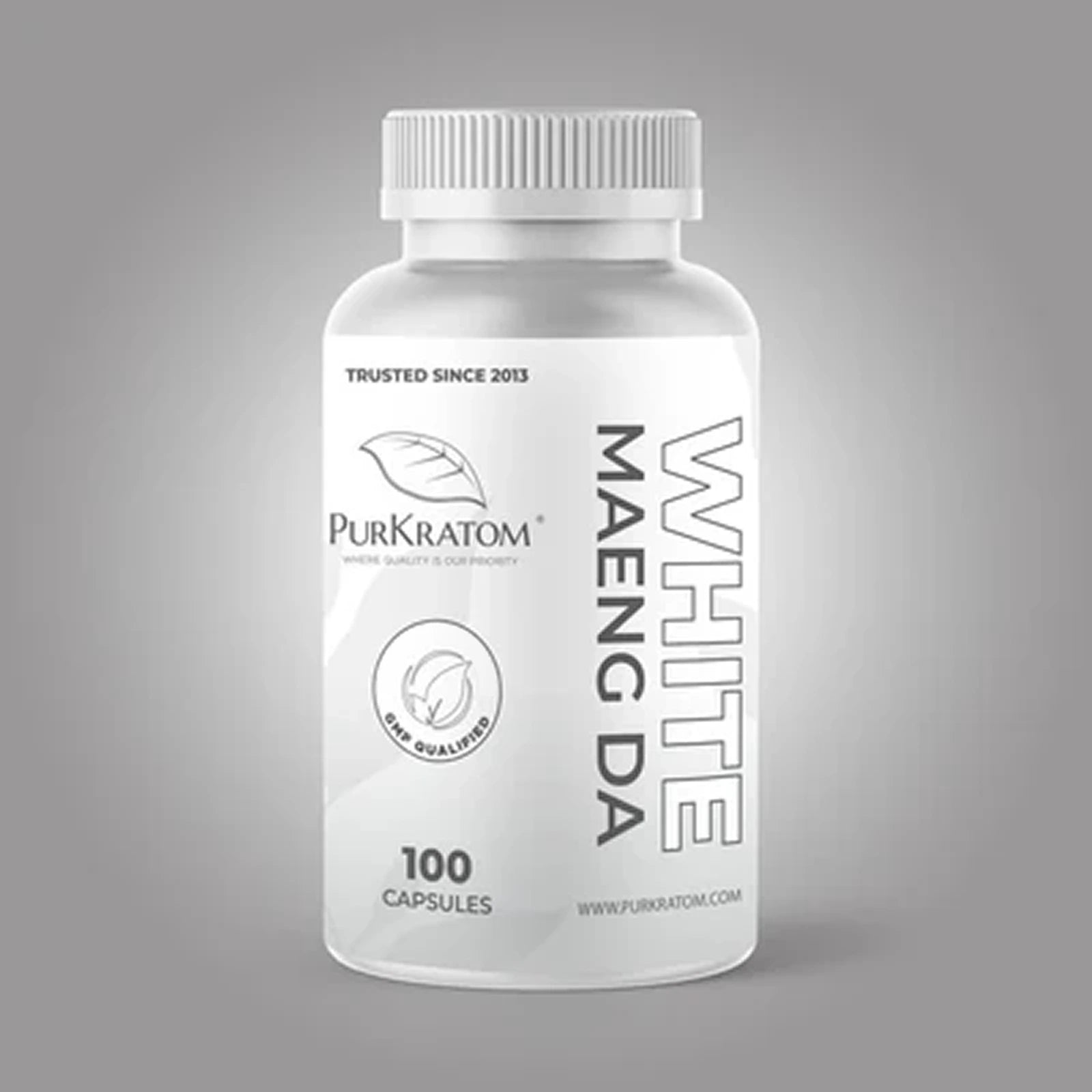
White Maeng Da Kratom Capsules
$26.99
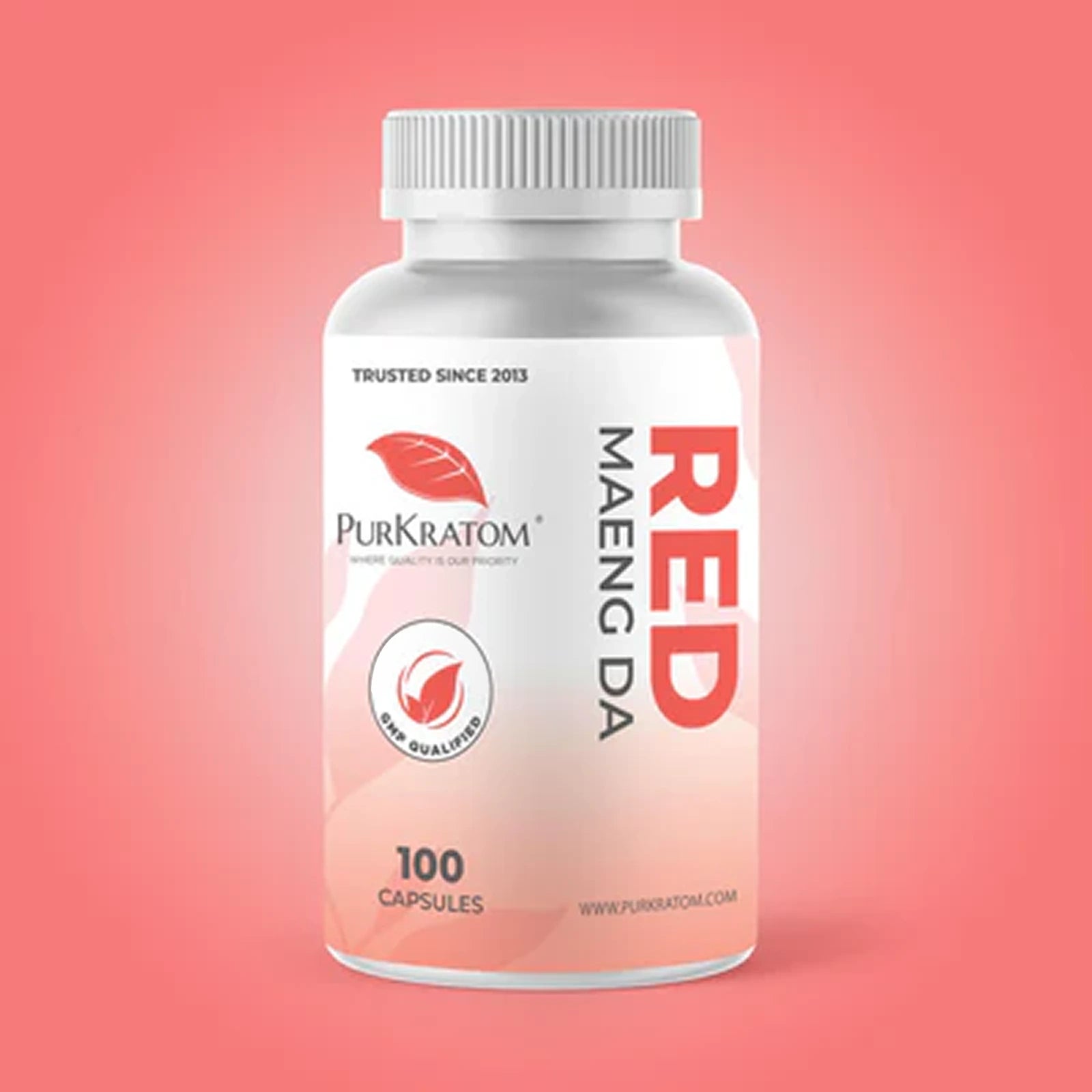
Red Maeng Da Kratom Capsules
$26.99

White Maeng Da Kratom Powder
$31.99
Super Green Maeng Da Kratom Capsules
$26.99

Green Maeng Da Kratom Powder
$31.99