 Login
Login


If you have searched for “what is kratom?”, you have probably encountered very different answers. Some descriptions focus on kratom as a traditional Southeast Asian botanical. Others focus on its alkaloids, modern commercial products, potential risks, or legal status.
The reality is more nuanced.
Kratom is the common name for products made from the leaves of Mitragyna speciosa, a tropical tree in the coffee family, Rubiaceae. The plant is native to tropical parts of Southeast Asia. Its leaves contain many naturally occurring compounds, including the alkaloids mitragynine and 7-hydroxymitragynine, which are among the compounds most studied in kratom research.
For beginners, understanding what kratom actually is is more useful than starting with product claims or strain names. This guide explains the plant, its chemistry, traditional background, common product formats, research, safety considerations, quality factors, and the changing regulatory landscape.
PurKratom also publishes educational information about kratom and offers products in formats such as powder and capsules. Its product pages state that its products undergo testing for identity, heavy metals, and microbial contaminants. Those are useful quality considerations to investigate when evaluating any kratom vendor, but consumers should still review current product-specific information before purchasing.
What Is Kratom?
Kratom refers to preparations made from the leaves of Mitragyna speciosa. It is a tropical tree whose native range extends across parts of Southeast Asia and nearby regions. Kew Science classifies Mitragyna speciosa within the Rubiaceae family.
The leaves have a long history of traditional use in Southeast Asia. Modern kratom products, however, can differ significantly from traditional preparations because commercial products may involve drying, grinding, encapsulation, extraction, blending, or other processing.
That distinction matters.
When someone says “kratom,” they could be referring to:
- Dried kratom leaf
- Kratom powder
- Kratom capsules
- Kratom tea
- Kratom extracts
- Liquid products
- Commercial products labeled by color or variety
- Products containing concentrated kratom alkaloids
These products should not automatically be assumed to have the same composition or risk profile.
Research has found that alkaloid concentrations can vary substantially among kratom products. Differences in plant material, growing conditions, processing, and formulation can affect the final chemical profile.
Is Kratom a Plant or a Drug?
Kratom originates from a plant, but “plant” does not automatically mean “non-pharmacologically active.”
Mitragyna speciosa contains biologically active alkaloids. Some of these compounds interact with receptors in the human body, including opioid receptors. That is one reason kratom has attracted scientific, medical, regulatory, and public-health attention.
At the same time, describing kratom simply as an “opioid” would be an oversimplification. Kratom contains many compounds, and its primary alkaloids have pharmacological properties that differ from classic opioid drugs.
The most accurate beginner-friendly description is:
Kratom is a psychoactive botanical containing multiple naturally occurring alkaloids, with mitragynine being the most abundant alkaloid commonly discussed in research.
What Is Mitragyna Speciosa?
Mitragyna speciosa is the scientific name for the plant commonly called kratom.
Kew Science identifies it as an accepted species in the genus Mitragyna and places it in the Rubiaceae family. Its native range includes Southeast Asia and extends toward New Guinea.
What Family Does Kratom Belong To?
Kratom belongs to the Rubiaceae family, commonly known as the coffee, madder, or bedstraw family.
This is one reason comparisons between kratom and coffee sometimes appear in discussions of the plant's botanical classification. However, belonging to the same botanical family does not mean kratom and coffee have the same effects, chemistry, or safety profile.
What Does the Kratom Plant Look Like?
Mitragyna speciosa is a tropical tree with broad green leaves. It grows naturally in warm, humid environments and is associated with wet tropical habitats.
The leaves are the part most commonly associated with kratom products.
After harvesting, leaves may be processed into dried material, powder, capsules, tea preparations, or extracts.
Where Does the Name Kratom Come From?
“Kratom” is the common English-language name used for Mitragyna speciosa. The plant also has numerous regional names, reflecting its long history across Southeast Asia.
The important point for beginners is that kratom and Mitragyna speciosa refer to the same botanical source, while a commercial kratom product may contain processed material derived from that plant.
Where Does Kratom Come From?
Kratom is native to Southeast Asia.
Kew's botanical database lists Mitragyna speciosa as native to areas including Thailand, Myanmar, Malaysia, Indonesia, Cambodia, Vietnam, Borneo, Sumatra, the Philippines, and New Guinea.
The plant has historically been used in parts of Southeast Asia in traditional contexts. Modern commercial use has expanded far beyond its original geographic range.
This history is important because it helps explain why kratom is sometimes described as both a traditional botanical and a modern consumer product.
Traditional Kratom and Modern Commercial Kratom Are Not Always the Same
Traditional preparations and modern products can differ in important ways.
Traditional use may involve fresh or dried leaves and preparations such as teas. Modern products may involve:
- Finely milled powder
- Encapsulated powder
- Extracts
- Blends
- Concentrated products
- Flavored products
- Other formulations
NCCIH notes that commercial products can differ from traditional fresh-leaf preparations in composition, and that a lack of standardized products makes rigorous comparisons difficult.
In simple terms: Knowing the plant's origin does not tell you exactly what is inside every commercial product.
What Is in Kratom? Understanding Its Alkaloids
One of the most important things for a beginner to understand is that kratom is not chemically defined by a single ingredient.
The plant contains numerous alkaloids and other naturally occurring compounds. Research has identified more than 40 alkaloids in Mitragyna speciosa, although much of the scientific attention has focused on mitragynine and 7-hydroxymitragynine.
What Is Mitragynine?
Mitragynine is the most abundant alkaloid commonly identified in kratom.
It has been extensively studied because it interacts with several biological targets, including opioid receptors. Human research is still comparatively limited, but researchers have investigated its pharmacokinetics, receptor activity, metabolism, and potential effects.
The amount of mitragynine can vary among products.
That means the phrase “kratom product” does not automatically tell you its alkaloid concentration.
What Is 7-Hydroxymitragynine?
7-Hydroxymitragynine, often shortened to 7-OH, is another kratom alkaloid.
Naturally occurring 7-OH is found in trace amounts in the kratom plant, although levels can vary depending on the material and analytical method.
It is particularly important to distinguish naturally occurring 7-OH in botanical kratom from commercial products intentionally formulated with concentrated or enhanced 7-OH.
In 2026, U.S. federal agencies took specific action concerning concentrated 7-OH products. The DEA announced a temporary scheduling process targeting 7-OH above a proposed threshold and certain synthetic related compounds. The agency stated that the action does not target botanical kratom products containing naturally occurring 7-OH below the specified threshold.
The FDA has separately warned consumers about concentrated 7-OH products and advises avoiding products containing added or enhanced 7-OH.
This distinction is especially important for beginners.
Natural botanical kratom and concentrated 7-OH products should not be treated as interchangeable categories.
Why Does Alkaloid Content Matter?
Alkaloid content can influence a product's chemical profile and potential effects.
However, alkaloid concentration should not be treated as a simple “higher is better” scale.
A higher concentration can also change the risk profile of a product. Product composition, serving size, extraction method, additional ingredients, and individual factors all matter.
For this reason, responsible consumer education should focus on transparency and accurate labeling, not simply on finding the most concentrated product.
What Are Red, Green, and White Kratom?
If you are new to kratom, you will quickly encounter terms such as red vein, green vein, and white vein.
These terms are commonly used in the commercial kratom market to categorize products.
They are not three separate species of kratom.
Instead, the labels are generally associated with differences in leaf characteristics, harvesting, processing, or commercial naming conventions.
Red Kratom
Red kratom is a common commercial category associated with red-vein leaves and products marketed under names such as Red Bali or Red Maeng Da.
Green Kratom
Green kratom is another major category and is often sold as green-vein material.
White Kratom
White kratom is commonly associated with white-vein products.
Do Kratom Colors Guarantee a Specific Effect?
No.
A color label should not be treated as a guarantee of a specific outcome.
Commercial names such as “red,” “green,” and “white” can be useful for organizing products, but the actual chemical composition can vary.
If you want to compare categories, the most useful next step is to examine the specific product information rather than assuming every product with the same color label is chemically identical.
What Forms of Kratom Are Available?
Kratom is sold in several different formats. The right format for a consumer depends on factors such as convenience, preparation preferences, labeling, and the specific product's composition.
Kratom Powder
Kratom powder is generally dried kratom leaf that has been ground into a powder.
It is one of the most recognizable forms of kratom and may be sold in different quantities and varieties.
PurKratom currently offers a range of kratom powder products, including products categorized by color and variety.
Kratom Capsules
Capsules contain kratom material inside a pre-measured capsule format.
For consumers who prefer not to handle loose powder, capsules can be a convenient product format.
PurKratom currently maintains a dedicated kratom capsule collection with products organized by categories such as red, green, white, and blends.
If you are still learning the basics, compare the available kratom powder and capsule formats before looking at individual products. Understanding the format first can make the rest of your product research easier.
Kratom Tea
Kratom leaves have traditionally been prepared as tea in Southeast Asia. Commercial products may also be marketed for tea preparation.
Kratom Extracts
Extracts are products in which certain compounds from the plant have been concentrated.
This is an important category for beginners to understand because an extract is not necessarily equivalent to ordinary dried leaf powder.
Extraction can alter the concentration of alkaloids and therefore the chemical profile of the final product.
Liquid Products and Shots
Liquid kratom products and shots are another commercial format.
Because these products can be concentrated, consumers should read labels carefully and determine exactly what ingredients and alkaloids are present.
What Does Kratom Research Actually Tell Us?
Kratom research is active, but there are still important gaps in the evidence.
NCCIH describes kratom research as being in relatively early stages, noting that much remains to be learned about its effects in humans, safety, and potential therapeutic applications.
Researchers have studied:
- Kratom alkaloids
- Mitragynine
- 7-hydroxymitragynine
- Receptor activity
- Pharmacokinetics
- Potential adverse effects
- Dependence and withdrawal
- Product contamination
- Interactions with other substances
- Traditional use
- Differences in product composition
What We Know
There is substantial scientific evidence that kratom contains pharmacologically active alkaloids.
Mitragynine and 7-OH have been studied extensively in laboratory models, and human pharmacokinetic research has begun to provide more information about how these compounds behave in the body.
What We Do Not Know
There are still significant questions about long-term human safety, standardized dosing, interactions, and how different commercial formulations affect risk.
NCCIH has specifically highlighted the limited amount of rigorous human research and the challenge created by non-standardized products.
Is Kratom Legal?
Kratom's legal status varies by jurisdiction, and regulations can change.
In the United States, kratom is not currently controlled under the federal Controlled Substances Act as a general botanical category, but individual states and local jurisdictions can impose their own restrictions. DEA's 2024 resource describes kratom as not controlled federally while noting state-level restrictions.
The regulatory environment is also evolving.
As of June 2026, the National Conference of State Legislatures reported that at least 31 states and Washington, D.C., regulated kratom or its components in some manner. Approaches included age restrictions, labeling requirements, restrictions on specific compounds, and outright prohibitions.
Federal attention has also increasingly focused on concentrated or synthetic 7-OH products. In July 2026, DEA announced a temporary scheduling process involving 7-OH above a proposed threshold and certain synthetic related compounds.
What Should Beginners Do?
Do not assume that kratom's legal status is the same everywhere.
Before purchasing, possessing, transporting, or using a kratom product, check the current laws and regulations that apply to your location.
This is especially important if you are traveling across state lines.
How Beginners Can Evaluate a Kratom Product
Once you understand the basics, the next question is often: How do I choose a kratom product?
A responsible approach is to evaluate the product rather than relying only on a strain name or marketing description.
1. Identify the Product Format
Determine whether the product is:
- Powder
- Capsule
- Tea material
- Extract
- Liquid
- Another formulation
Different formats can have different concentrations and characteristics.
2. Read the Label
Look for:
- Ingredient information
- Net contents
- Serving information
- Manufacturer or seller information
- Batch or lot information
- Alkaloid information when provided
- Warnings and applicable disclaimers
3. Look for Testing Information
Ask whether the company provides meaningful information about:
- Heavy metals
- Microbial contaminants
- Identity
- Alkaloid content
- Batch testing
4. Understand Whether It Is Botanical Kratom or a Concentrated Product
Do not assume that all products containing a kratom-related ingredient are equivalent.
This is especially important with concentrated 7-OH products, which federal agencies have treated differently from ordinary botanical kratom.
5. Avoid Unsupported Medical Claims
Be cautious when a seller claims that a product can cure, treat, prevent, or diagnose a medical condition.
The FDA states that there are no FDA-approved kratom drug products for medical use.
6. Compare Products Carefully
If you are deciding between powders, capsules, colors, or varieties, compare the products based on information that can actually be verified.
7. Start With Education, Not Marketing Claims
A good beginner journey should look like:
Understand kratom → understand formats → understand product quality → compare options → review current product information → make an informed decision.
That sequence is more useful than jumping directly from a search result to a product page.
Kratom vs. Kratom Extract: Why the Difference Matters
One common beginner mistake is assuming that kratom powder and kratom extract are simply different versions of the same product.
They are not necessarily equivalent.
Kratom powder generally refers to ground leaf material. An extract involves processing intended to concentrate selected components from the plant.
Because extraction can change the concentration of alkaloids, an extract may have a substantially different chemical profile from ordinary leaf powder.
This is why comparing only the product name is insufficient.
The key difference is: Powder generally represents ground plant material, while an extract is processed to concentrate compounds from the plant.
For beginners, this distinction is more important than simply choosing a color or catchy product name.
Why Kratom Product Transparency Matters
The kratom market includes many different products, sellers, formulations, and claims.
That makes transparency especially important.
A transparent product page should help a consumer understand what they are looking at rather than forcing them to guess.
Useful information can include:
- Product type
- Botanical identity
- Ingredients
- Net quantity
- Batch identification
- Testing information
- Manufacturer information
- Relevant warnings
- Current legal or purchasing restrictions
PurKratom's current site organizes products into categories including kratom powder, capsules, red, green, white, blends, and other product types.
This kind of categorization can be useful for navigating a large product catalog, but category names should not be treated as guarantees of a particular physiological outcome.
Common Questions About Kratom
1. What is kratom made from?
Kratom products originate from the leaves of Mitragyna speciosa, a tropical tree native to Southeast Asia. The leaves may be dried, powdered, encapsulated, brewed, or processed into extracts.
2. What is Mitragyna speciosa?
Mitragyna speciosa is the scientific name for the tropical tree commonly known as kratom. It belongs to the Rubiaceae family and naturally grows across parts of Southeast Asia.
3. What are the main alkaloids in kratom?
Mitragynine is the most abundant alkaloid commonly associated with kratom. 7-hydroxymitragynine is another important alkaloid studied in kratom research. The plant also contains numerous other alkaloids.
4. Is kratom the same as 7-OH?
No. Kratom is the botanical material derived from Mitragyna speciosa. 7-OH is one of the alkaloids associated with the plant. Concentrated or enhanced 7-OH products are a distinct category that U.S. federal agencies have specifically addressed.
5. Is kratom safe?
Kratom cannot accurately be described as risk-free. Public-health agencies have reported potential adverse effects and concerns involving dependence, liver toxicity, seizures, contamination, and interactions. Research into long-term effects remains incomplete.
Kratom is a botanical product derived from the leaves of Mitragyna speciosa, a tropical tree native to Southeast Asia. The plant contains numerous naturally occurring compounds, including the extensively studied alkaloids mitragynine and 7-hydroxymitragynine.
But understanding kratom means going beyond the basic definition.
A beginner should understand the difference between botanical leaf and concentrated extracts, recognize that commercial labels such as red, green, and white do not guarantee a specific experience, and know that research into kratom's effects and long-term safety is still developing.
Product quality is another major consideration. Testing, transparent labeling, batch information, and clear ingredient information can help consumers evaluate what they are actually purchasing. Public-health investigations have demonstrated why contamination and product composition deserve attention.
The legal environment also deserves attention. Kratom regulations vary by jurisdiction, while federal and state policymakers continue to address kratom and concentrated 7-OH products.
For someone new to kratom, the best first step is not choosing the most concentrated product or relying on a single marketing claim. It is learning how kratom is categorized, understanding the available formats, evaluating product transparency, and reviewing current information before making a decision.
If you are ready to continue your research, explore PurKratom's current kratom categories and product formats to compare available options while reviewing the product information provided for each item.
For readers who already understand the basics, the next logical step is to compare powder versus capsules, kratom categories, and available product information before evaluating an individual product.
Disclaimer: This content is for educational and informational purposes only and is not intended to provide medical advice, diagnose, treat, cure, or prevent any disease or health condition. Kratom research is still developing, and individual responses may vary. Consult a qualified healthcare professional before using kratom, especially if you take medications, have a medical condition, are pregnant or breastfeeding, or have concerns about potential interactions. Laws and regulations regarding kratom vary by location and may change, so verify current local requirements before purchasing or using kratom.
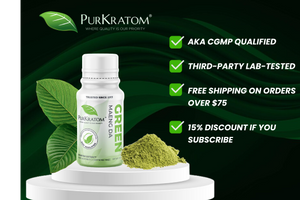


Based on your interest,
we recommend:
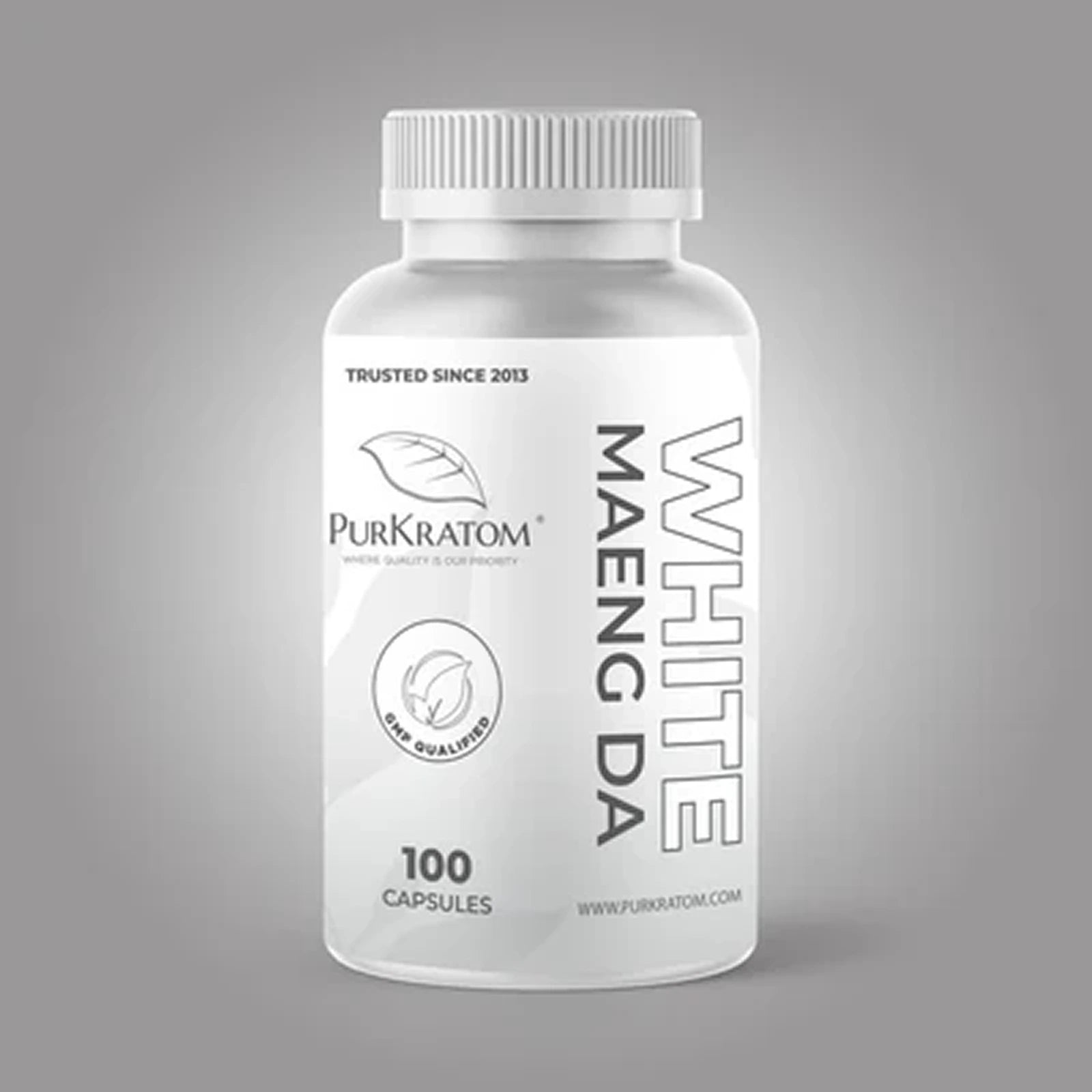
White Maeng Da Kratom Capsules
$26.99
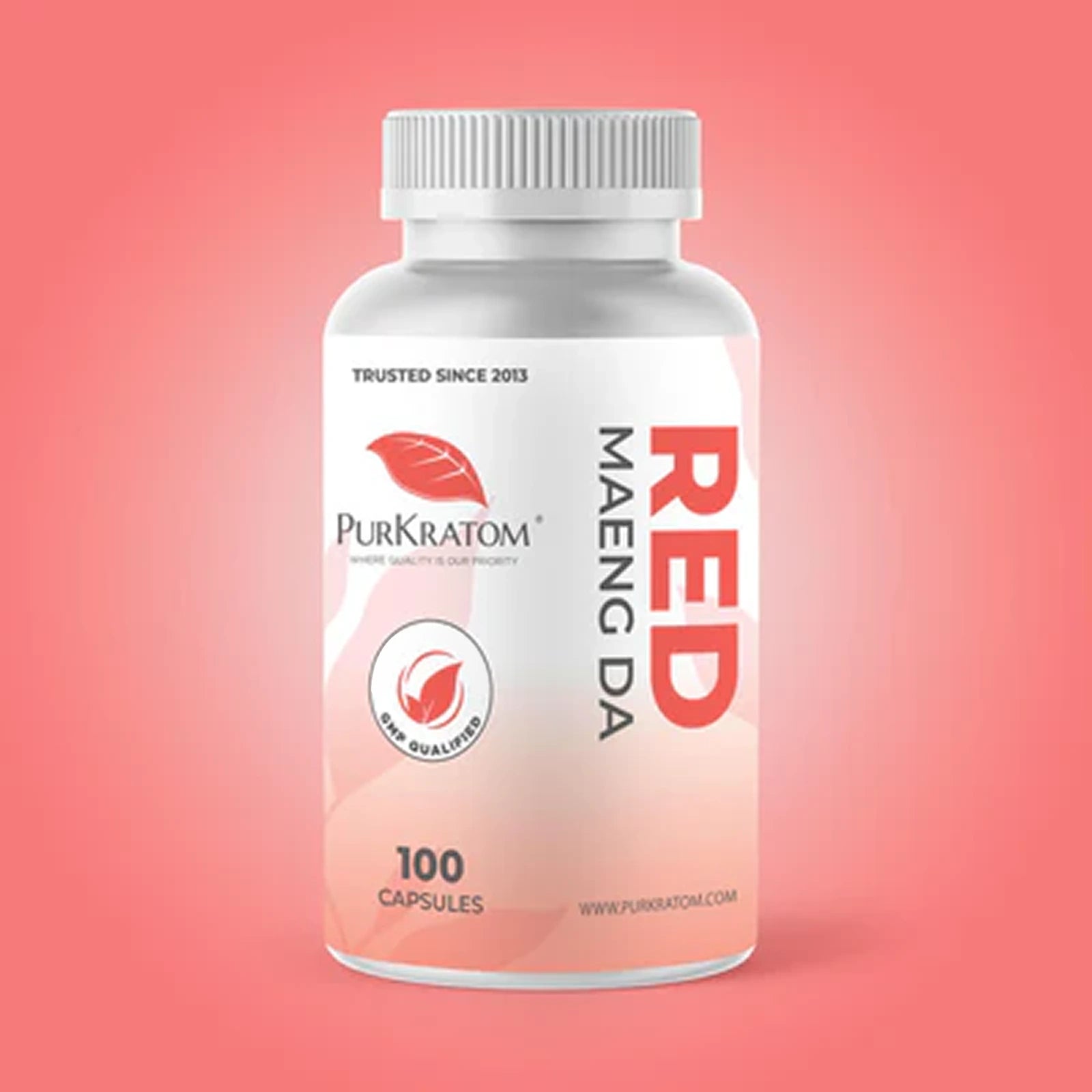
Red Maeng Da Kratom Capsules
$26.99

White Maeng Da Kratom Powder
$31.99
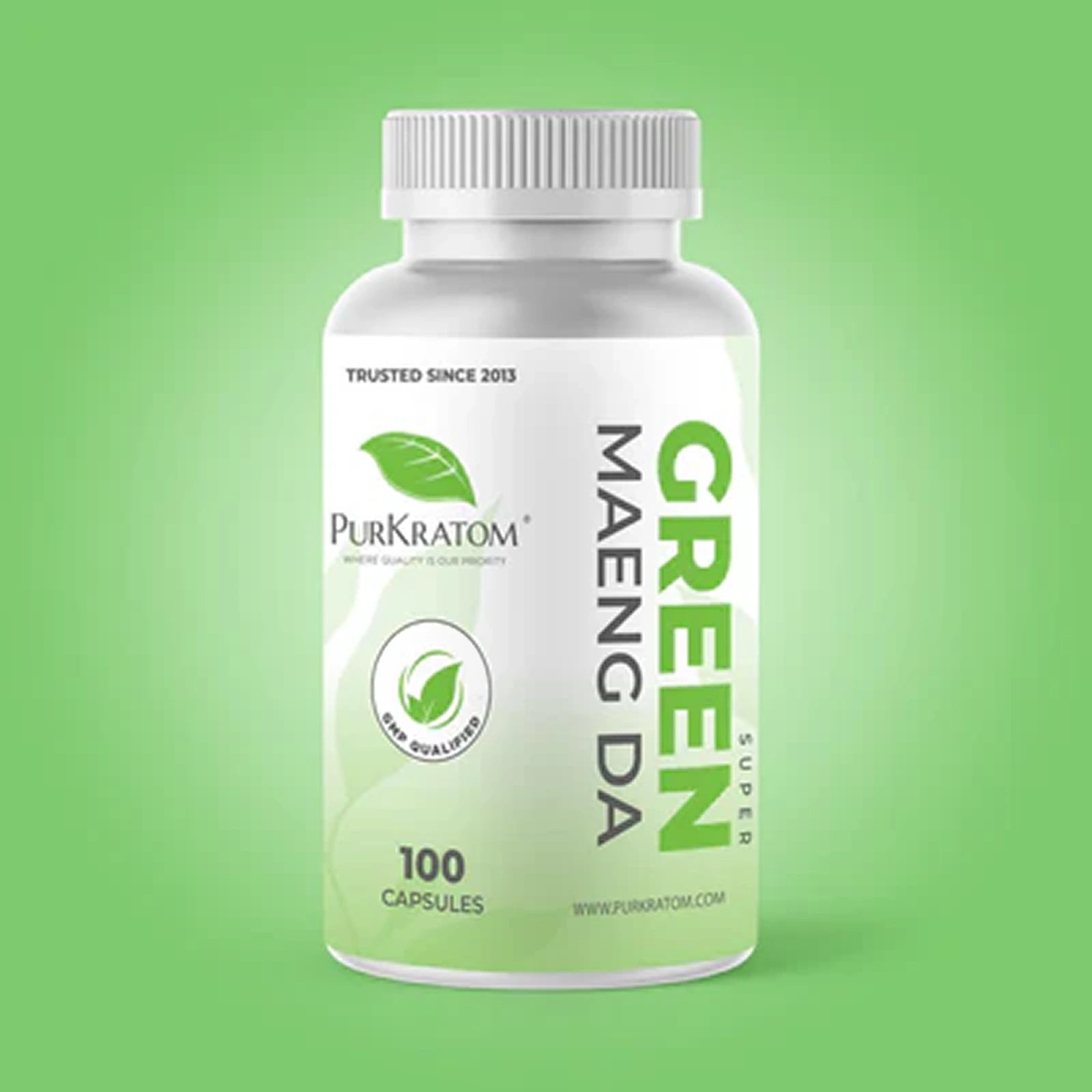
Super Green Maeng Da Kratom Capsules
$26.99

Green Maeng Da Kratom Powder
$31.99