 Login
Login

Buying kratom can involve more than choosing between a few product names on a website. Kratom products can differ in form, processing, labeling, alkaloid composition, testing practices, and transparency. That makes it important to know what actually indicates product quality before making a purchasing decision.
Kratom comes from Mitragyna speciosa, a tropical tree native to Southeast Asia. Its leaves contain numerous naturally occurring compounds, including the alkaloids mitragynine and 7-hydroxymitragynine. Research into kratom is still developing, and the composition of commercially available products can vary. The National Center for Complementary and Integrative Health notes that relatively little research in humans has evaluated kratom and that contaminants such as heavy metals and disease-causing bacteria have been found in some products.
Continue exploring PurKratom’s educational resources on kratom quality, alkaloids, product formats, and responsible purchasing.
What Makes a Kratom Product High Quality?
A high-quality kratom product should be supported by transparent product information and meaningful quality-control evidence. Important factors include accurate labeling, identifiable ingredients, appropriate laboratory testing, contaminant screening, accessible testing documentation when available, and a company willing to explain how its products are evaluated.
There is no single visual characteristic that proves a kratom product is high quality.
A product can have attractive packaging and still provide little useful information about its contents. Conversely, a less elaborate package may contain more useful documentation.
For consumers, quality is therefore better viewed as a combination of transparency, consistency, testing, and traceability.
A useful framework is:
| Quality factor | What to look for |
|---|---|
| Product identity | Clear description of what the product contains |
| Ingredients | Complete and understandable ingredient information |
| Testing | Meaningful laboratory analysis |
| Contaminants | Testing appropriate to the product and risks |
| Batch information | Ability to connect results to a particular product or lot |
| COA | Accessible laboratory documentation when available |
| Labeling | Clear product information and responsible claims |
| Company transparency | Clear explanations of quality-control practices |
| Product format | Powder, capsule, extract, or other format clearly identified |
| Marketing | Avoidance of unsupported medical or guaranteed-effect claims |
The goal is not to find a product that makes the biggest promises.
The goal is to find information that helps you evaluate what you are actually buying.
Why Kratom Product Quality Can Vary
Kratom is a botanical product, and botanical materials are not necessarily chemically identical from one batch to another.
The plant is commonly identified as Mitragyna speciosa. Its leaves contain multiple alkaloids, with mitragynine being one of the principal compounds discussed in kratom research. Commercial products may also differ because of processing, drying, grinding, extraction, formulation, and other manufacturing factors. NCCIH has noted that differences among kratom products and their composition have complicated efforts to evaluate the plant consistently in research.
This matters because a product name alone does not tell you everything about the material inside.
For example, two products could both be marketed using similar kratom terminology while differing in:
- Source material
- Processing methods
- Product format
- Alkaloid profile
- Ingredient composition
- Testing practices
- Contaminant levels
- Batch characteristics
That is why consumers should look beyond names such as “premium,” “strong,” “enhanced,” or “high quality.”
Those are marketing descriptions unless they are supported by meaningful information.
Start With the Product Label
One of the easiest first steps is also one of the most important: read the label carefully.
A clear label should help you understand what the product is before you purchase it.
Look for information such as:
- Product name
- Product format
- Ingredient list
- Net quantity
- Manufacturer or seller information
- Lot or batch identification where applicable
- Appropriate warnings or required disclosures
- Clearly stated contents
- Contact information
Be cautious when important information is difficult to find.
A product description that spends several paragraphs discussing supposed effects but barely explains the ingredients deserves closer scrutiny.
What Does Transparent Labeling Look Like?
Transparent labeling does not necessarily mean a label must contain every possible piece of scientific information.
It means the important information should be clear, consistent, and understandable.
For example, if a product is an extract, the product should not be presented as though it were simply identical to unprocessed botanical leaf material.
Similarly, if additional ingredients are included, those ingredients should not be hidden behind vague language.
Ask yourself:
“If I knew nothing about this product, could I understand what I am purchasing from the label and product page?”
If the answer is no, investigate further before buying.
Look for Laboratory Testing
Laboratory testing is one of the strongest quality indicators available to consumers because it can provide evidence that goes beyond marketing language.
However, simply seeing the words “lab tested” is not enough.
A useful testing program should be understandable.
Consumers should want to know:
- What was tested?
- Who performed the testing?
- When was the testing performed?
- Which product or batch was tested?
- What were the results?
- Can the results be reviewed?
Testing should also be relevant to the product and the risks being evaluated.
For example, testing for microbial contamination and heavy metals addresses different questions from testing for alkaloid composition.
Why This Matters
FDA has reported that it has found significant levels of lead and nickel in some kratom products it analyzed. FDA has also warned about kratom products associated with Salmonella contamination.
These findings do not mean that every kratom product is contaminated.
They do demonstrate why consumers should take quality-control information seriously.
A company that provides meaningful testing information gives consumers a stronger basis for evaluating its products than a company that simply uses broad quality claims.
Review PurKratom’s available product-testing information to understand what quality-control documentation is provided for relevant products.
Understand Certificates of Analysis
A Certificate of Analysis (COA) is a laboratory document that reports analytical results for a particular sample.
For consumers, a COA can be useful because it can provide evidence that testing actually occurred.
But not all COAs answer the same questions.
Before treating a COA as proof of quality, examine what it actually contains.
What Should You Check on a COA?
Look for:
- Laboratory identification
- Testing date
- Sample identification
- Batch or lot information
- Product identification
- Testing methods or analytical categories
- Reported results
- Units of measurement
- Pass/fail criteria where applicable
- Clear connection between the report and the product being purchased
The most important question is:
Can you connect the COA to the actual product or batch?
A generic laboratory report that cannot be connected to a product is less useful than documentation that clearly identifies the tested material.
A COA Is Evidence, Not a Magic Quality Stamp
A COA should not automatically be interpreted as proof that a product is safe for everyone or appropriate for every use.
Laboratory testing has a defined scope.
For example, a report may demonstrate that certain contaminants were below a laboratory’s reporting limits. That does not automatically establish that a product is medically safe or effective.
This distinction is especially important with kratom because research into its health effects, long-term use, interactions, and potential risks remains incomplete. NCCIH states that kratom has not been shown to be safe and effective for a medical use.
Check for Contaminant Testing
When evaluating kratom quality, contaminant testing deserves particular attention.
Potential contaminants can include:
- Heavy metals
- Microbial contamination
- Pathogenic bacteria
- Other substances that may enter a product during cultivation, processing, handling, storage, or manufacturing
FDA has specifically reported concerns about heavy metals in tested kratom products and has documented Salmonella-related issues involving kratom products.
This is one reason a company’s quality-control program should not focus solely on alkaloid content.
Why Heavy Metals Matter
Plants can interact with their growing environment, and contaminants can potentially enter botanical products through environmental or manufacturing pathways.
FDA's laboratory analysis of 30 kratom products found significant lead and nickel levels in some samples.
A responsible consumer should therefore view heavy-metal testing as an important part of evaluating product quality.
Why Microbial Testing Matters
Microbial contamination is another quality concern.
FDA investigated a multistate Salmonella outbreak associated with products reported to contain kratom, and the agency has also issued information involving recalled kratom products because of Salmonella concerns.
This reinforces a simple purchasing principle:
Do not evaluate a botanical product solely by how it looks or how a company describes it.
Quality control should address more than appearance.
Understand Alkaloid Information
Kratom contains many naturally occurring alkaloids.
Two commonly discussed compounds are:
- Mitragynine
- 7-hydroxymitragynine
These compounds are relevant to scientific research into kratom, but consumers should be careful when interpreting alkaloid claims.
A higher number is not automatically synonymous with higher quality.
Likewise, a product marketed as “stronger” is not necessarily a better product for every consumer.
Quality and potency are different concepts.
Quality asks:
Was the product accurately identified, appropriately tested, and transparently represented?
Potency asks:
What concentration of a particular compound is present?
Those questions should not be treated as interchangeable.
NCCIH research materials note that analyses of kratom products have found substantial variation in 7-hydroxymitragynine levels, including levels ranging from nonexistent to very high in some tested products.
That variation makes transparent laboratory information particularly valuable.
Evaluate Kratom Product Formats
Kratom is available in several formats, including:
- Powder
- Capsules
- Extracts
- Tablets
- Other formulated products
The format does not automatically determine quality.
Instead, each format should be evaluated based on its ingredients, labeling, manufacturing information, and testing.
Kratom Powder
Powder is often a straightforward product format because the consumer can see that the product is presented as powdered botanical material.
However, appearance alone cannot establish purity or contaminant status.
Look for:
- Clear product identification
- Ingredient information
- Batch information
- Testing documentation
- Contaminant screening
- Storage information where appropriate
Kratom Capsules
Capsules can offer a convenient format, but consumers should still evaluate what is inside the capsule.
Look for information about:
- Kratom material
- Capsule ingredients
- Fill material or excipients
- Amount of material per serving where clearly and appropriately stated
- Batch identification
- Laboratory testing
A capsule is not automatically higher quality simply because it is more convenient.
Kratom Extracts
Extracts require particularly careful evaluation because extraction changes the composition of the original botanical material.
Consumers should look for clear information about:
- The nature of the extract
- Ingredients
- Alkaloid information
- Testing
- Whether other compounds are added
- Batch identification
Do not assume that “extract” means “better.”
It means the product has undergone additional processing and should therefore be evaluated based on what that processing produces.
Compare kratom product formats to understand how powder, capsules, and extracts differ in presentation, processing, and product information.
Do Kratom Colors Determine Quality?
Kratom products are commonly marketed using color categories such as:
- Red
- Green
- White
These terms can be useful for organizing products, but they should not be treated as independent proof of quality.
A product's color or marketing category does not establish:
- Purity
- Absence of contaminants
- Laboratory quality
- Accurate labeling
- Consistency
- Manufacturing standards
In other words:
Color is a product characteristic, not a quality-control certification.
When comparing red, green, or white kratom products, use the same quality framework.
Ask:
- What is the product?
- What ingredients does it contain?
- Has it been tested?
- Is the testing documentation available?
- Can the test be connected to the product or batch?
- Does the company clearly explain its quality-control process?
That approach is more useful than assuming one color is automatically superior.
Evaluate the Brand, Not Just the Product
Product quality and brand transparency are closely connected.
A product page can tell you what a company wants you to know about one item. A broader review of the company can tell you how it approaches quality across its business.
Look for a brand that makes it easy to find:
- Product information
- Ingredient information
- Testing documentation
- Quality-control information
- Customer support
- Company information
- Shipping policies
- Return policies
- Educational resources
Transparency should extend beyond a product description.
Does the Company Explain Its Standards?
A company does not need to overwhelm customers with technical language.
In fact, good consumer education should make complex information easier to understand.
A transparent brand should be able to explain:
- What it tests
- Why it tests those characteristics
- How testing relates to product quality
- How consumers can identify relevant documentation
- What the company does when quality issues are identified
If a company makes a quality claim, ask what evidence supports it.
Red Flags That May Indicate Poor Product Transparency
No single red flag automatically proves that a product is poor quality.
However, several warning signs together should encourage additional research.
1. No Ingredient Information
If you cannot determine what the product contains, you cannot meaningfully evaluate it.
2. Vague “Lab Tested” Claims
“Lab tested” without meaningful documentation leaves important questions unanswered.
3. No Batch Connection
A laboratory report should ideally be traceable to the product or batch being evaluated.
4. Extreme Marketing Claims
Be cautious with language suggesting guaranteed outcomes or medical treatment.
FDA specifically warns against unapproved medical claims associated with kratom products.
5. Unclear 7-OH Information
Products emphasizing 7-OH without clearly explaining their formulation deserve careful scrutiny, particularly given recent regulatory action and public-health warnings.
6. Missing Manufacturer Information
A product should not leave you guessing who is responsible for selling it.
7. Pressure to Buy Immediately
Quality should be based on evidence, not urgency.
A trustworthy purchasing decision should leave you enough time to read, compare, and verify.
A Step-by-Step Checklist for Choosing Kratom
If you are comparing several products, use this checklist.
Step 1: Identify the Product
Determine whether you are looking at:
- Powder
- Capsules
- Extract
- Tablet
- Another formulation
Do not compare fundamentally different products as though they were identical.
Step 2: Read the Ingredient Information
Identify the stated ingredients.
Look for unnecessary ambiguity.
Step 3: Check the Product Label
Look for clear product identification and other information required for informed purchasing.
Step 4: Look for Laboratory Testing
Find out whether testing is performed and what characteristics are tested.
Step 5: Review the COA
If a COA is available, check:
- Laboratory
- Date
- Product
- Batch
- Testing categories
- Results
Step 6: Check Contaminant Testing
Look for relevant testing for contaminants such as:
- Heavy metals
- Microbial contamination
- Other relevant quality concerns
Step 7: Evaluate Alkaloid Information
If alkaloid results are provided, understand what they actually measure.
Do not automatically equate a larger number with better quality.
Step 8: Check for Added or Enhanced Ingredients
Pay particular attention to products marketed around 7-OH or other concentrated formulations.
Step 9: Review the Company
Look for transparency beyond the individual product page.
Step 10: Compare Evidence, Not Hype
| Question | Product A | Product B |
|---|---|---|
| Clear ingredients? | Yes/No | Yes/No |
| Batch information? | Yes/No | Yes/No |
| Laboratory testing? | Yes/No | Yes/No |
| COA available? | Yes/No | Yes/No |
| Contaminant testing? | Yes/No | Yes/No |
| Clear labeling? | Yes/No | Yes/No |
| Company transparency? | Yes/No | Yes/No |
| Clear product format? | Yes/No | Yes/No |
Frequently Asked Questions (FAQs)
1. How can I tell if kratom is high quality?
Look for transparent labeling, clear ingredient information, meaningful laboratory testing, contaminant screening, batch identification, and accessible documentation such as a COA when available. Avoid relying solely on price, packaging, color, or marketing language.
2. Is lab-tested kratom automatically safe?
No. Laboratory testing can provide evidence about specific characteristics that were tested, but it does not establish that a product is universally safe, medically effective, or appropriate for every individual. Testing should be evaluated based on its scope and results.
3. What is a kratom COA?
A Certificate of Analysis is a laboratory document reporting analytical results for a tested sample. A useful COA should provide enough information to identify the tested material and understand what was analyzed.
4. What should a kratom COA include?
Depending on the laboratory and testing program, a COA may include product or sample identification, batch information, testing dates, analytical methods, measured results, and laboratory information. Consumers should determine whether the document actually corresponds to the product they are considering.
5. Should I look for heavy-metal testing?
Yes. Heavy-metal testing can be an important part of evaluating botanical product quality. FDA has reported significant lead and nickel findings in some kratom products it analyzed.
6. Does kratom color determine quality?
No. Red, green, and white are commonly used product categories, but color alone does not establish purity, laboratory quality, or freedom from contamination.
7. Are kratom capsules better than powder?
Neither format is automatically higher quality. Compare the ingredients, manufacturing information, testing, labeling, and documentation for the specific product.
8. What is the difference between kratom and 7-OH products?
Botanical kratom naturally contains 7-hydroxymitragynine in trace amounts, while some commercial products contain added or enhanced levels of 7-OH. Regulators have raised specific concerns about products containing added or elevated 7-OH, and the regulatory landscape is evolving.
Why Product Transparency Matters
Transparency is particularly important in a market where product composition can vary.
NCCIH has noted that commercially available kratom products can differ from traditional preparations and that variation in composition has complicated scientific research.
For consumers, this creates a practical lesson:
Do not assume that two products with similar names are equivalent.
Instead, compare the evidence.
A transparent product should help you answer basic questions about its identity, ingredients, testing, and quality-control process.
When information is unavailable, the right response is not to guess.
It is to seek more information or consider a product with clearer documentation.
Learning how to identify high-quality kratom products does not require memorizing complicated terminology.
Start with the product label.
Then evaluate the ingredients, product format, laboratory testing, contaminant screening, COA information, batch identification, alkaloid information, and company transparency.
Be particularly careful with products making unusually strong claims or emphasizing added or enhanced 7-hydroxymitragynine. Recent FDA and DEA actions demonstrate why consumers should understand exactly what a product contains rather than assuming that every product marketed as “kratom” is equivalent.
Remember, too, that quality does not mean guaranteed safety or medical effectiveness. Kratom research remains incomplete, and regulators continue to raise concerns about certain products and potential risks.
The best purchasing decision is therefore an informed one.
Ready to compare your options? Explore PurKratom’s relevant kratom collection and review the available product, testing, and quality information before choosing the product format that best fits your research needs.
Disclaimer: This content is for educational and informational purposes only and is not intended to provide medical advice, diagnose, treat, cure, or prevent any disease or health condition. Kratom research is still developing, and individual responses may vary. Consult a qualified healthcare professional before using kratom, especially if you take medications, have a medical condition, are pregnant or breastfeeding, or have concerns about potential interactions. Laws and regulations regarding kratom vary by location and may change, so verify current local requirements before purchasing or using kratom.


Based on your interest,
we recommend:
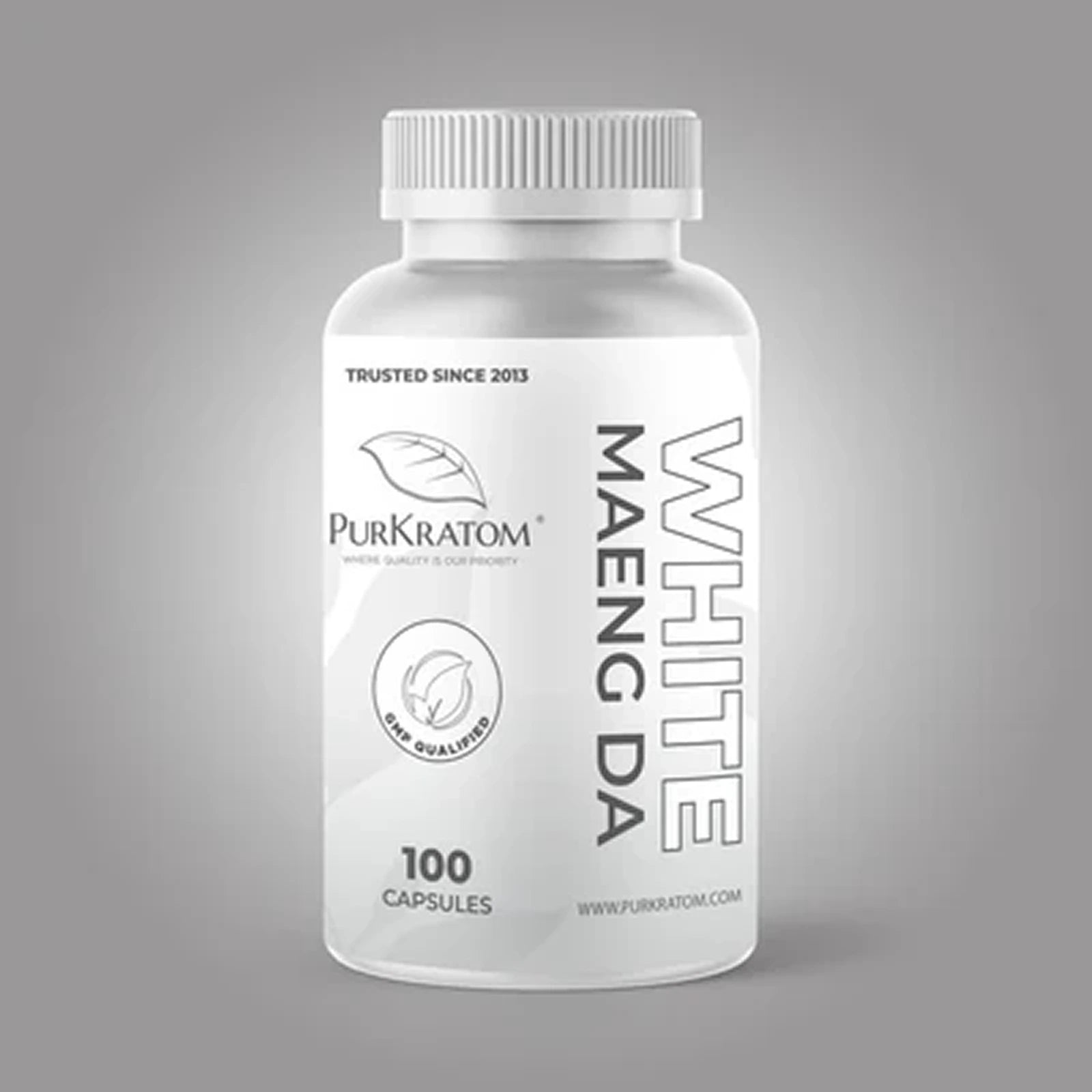
White Maeng Da Kratom Capsules
$26.99
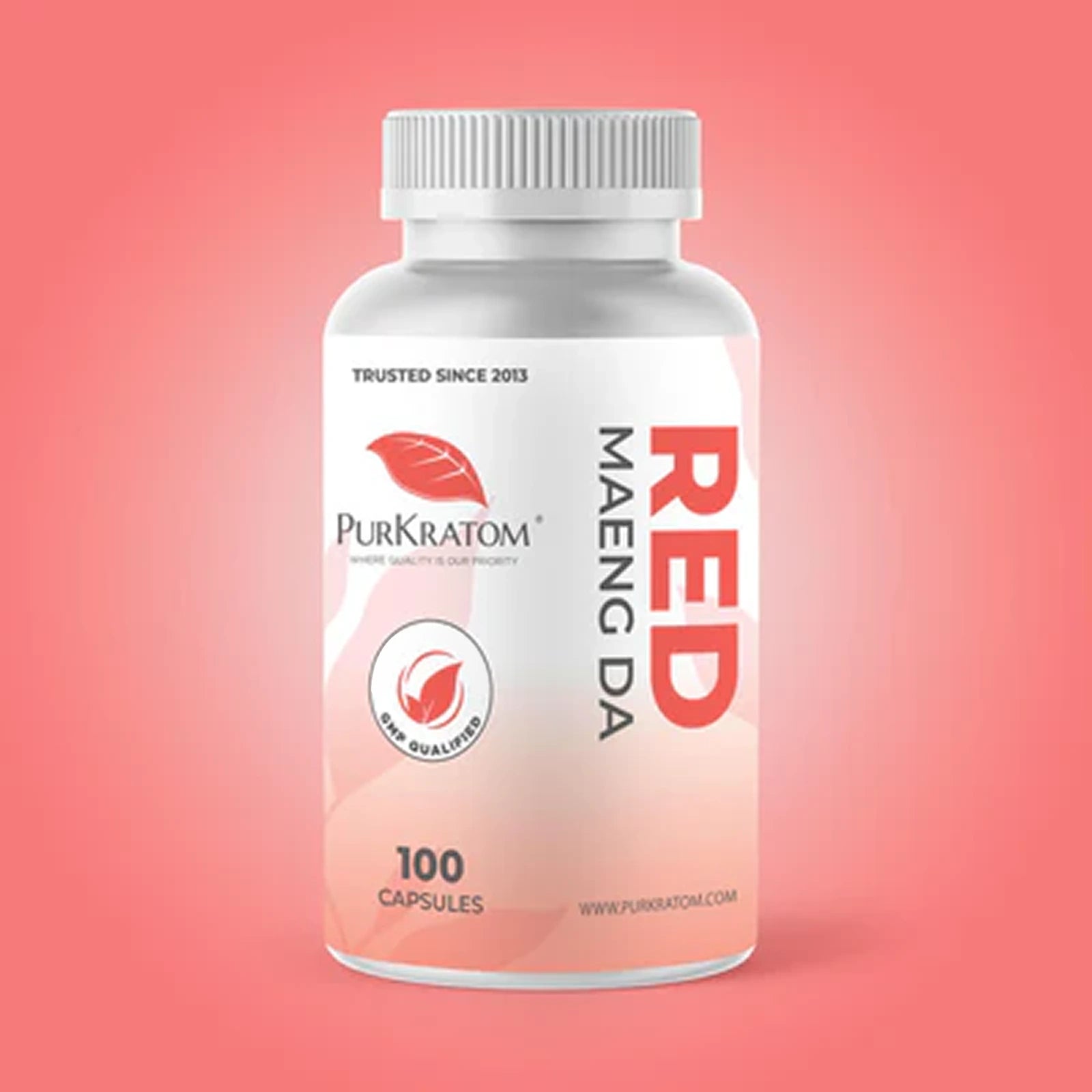
Red Maeng Da Kratom Capsules
$26.99

White Maeng Da Kratom Powder
$31.99
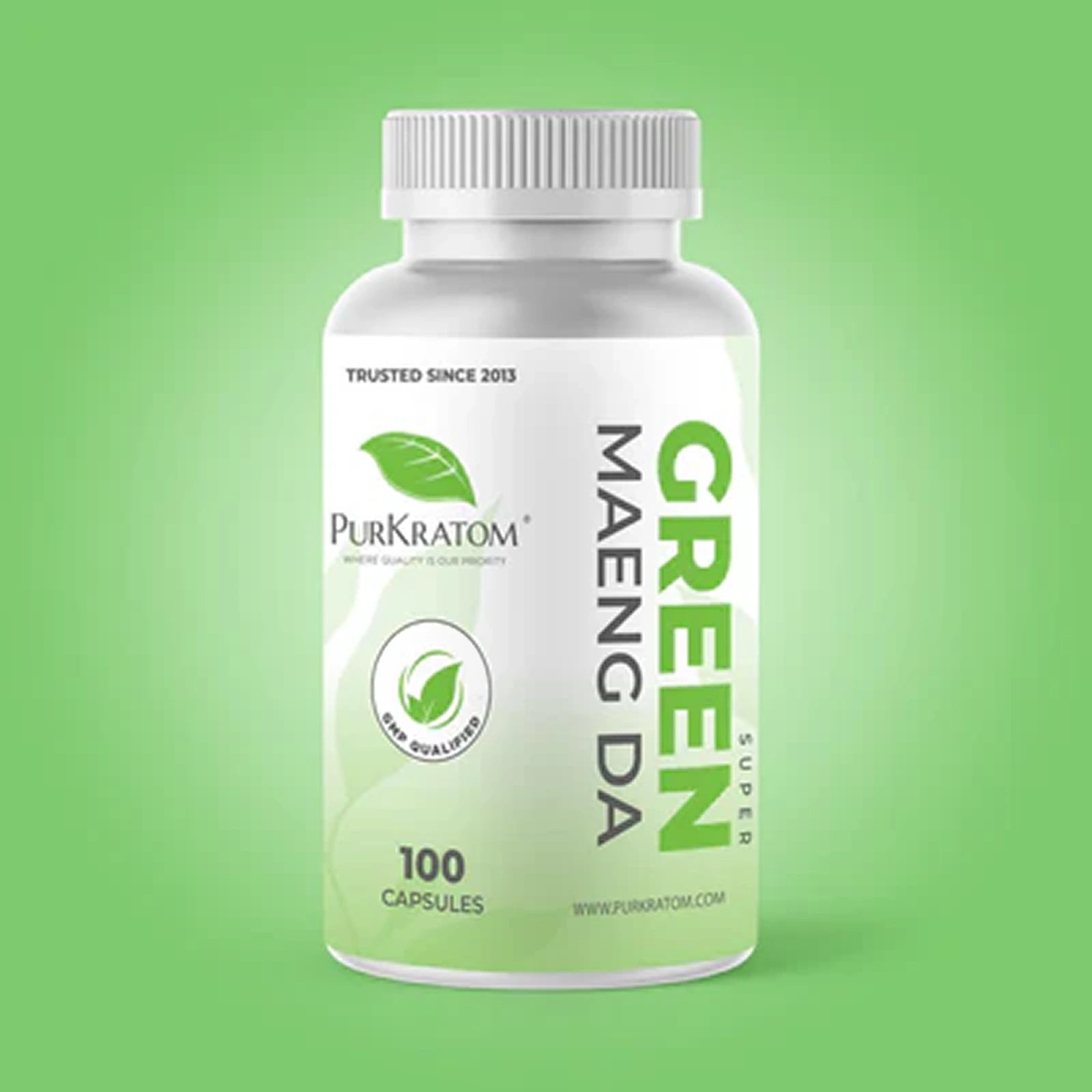
Super Green Maeng Da Kratom Capsules
$26.99

Green Maeng Da Kratom Powder
$31.99