 Login
Login

If you are comparing kratom products, a product label only tells you part of the story. A Certificate of Analysis, or COA, can provide additional information about what a laboratory found when it tested a particular sample.
But a COA can look intimidating at first.
You may see technical terms such as mitragynine, 7 hydroxymitragynine, microbial testing, heavy metals, sample identification, reporting limits, and laboratory methods. It is easy to look at a long report and assume that simply having one means a product has been proven safe or high quality.
That is not what a COA means.
A COA is better understood as a snapshot of analytical testing performed on a particular sample. The value of the document depends on what was tested, how clearly the sample is identified, who performed the testing, and whether the results actually correspond to the product or batch you are evaluating.
This guide explains how to read a kratom lab report step by step, including what to look for in alkaloid results, microbiology testing, heavy metal results, laboratory information, batch numbers, and reporting details.
PurKratom also provides a searchable Certificate of Analysis database where customers can look up laboratory results by product information and lot information.
What Is a Kratom COA?
A Certificate of Analysis, commonly called a COA, is a laboratory document that reports analytical findings for a tested sample.
In the kratom industry, a COA may contain results for areas such as:
- Alkaloid content
- Microbiology
- Heavy metals
- Other contaminants or quality parameters
- Sample identification
- Laboratory methods
- Testing dates
- Reporting limits
The exact information depends on the laboratory and the testing panel.
A COA is therefore not simply a marketing certificate. It is a record of laboratory analysis.
However, the presence of a COA does not automatically establish that every unit of a product is identical to the tested sample or that the product is appropriate for every consumer.
In simple terms
Think of a COA as a testing snapshot.
It tells you what a laboratory measured in a specific sample using specified analytical methods.
That makes the details surrounding the report extremely important.
Why Should You Read a Kratom Lab Report?
If you are evaluating kratom products, laboratory testing can give you information that you cannot determine from appearance, product names, or color categories alone.
Kratom is commonly sold under names such as red, green, and white. However, those commercial categories do not provide a complete picture of a product's chemical composition.
Kratom contains numerous naturally occurring alkaloids. Two of the most discussed are mitragynine and 7 hydroxymitragynine. Research continues to examine their properties and the broader chemistry and safety profile of kratom.
A laboratory report can therefore be useful when you want more specific information than a product name provides.
Testing can also matter because contamination has been documented in some kratom products. The FDA has reported previous kratom related concerns involving Salmonella contamination and heavy metals.
That history makes transparent product testing an important part of responsible consumer education.
A COA is especially useful when you want to answer questions such as:
- What was actually tested?
- Which batch was tested?
- When was it tested?
- Which alkaloids were measured?
- Were microbiological contaminants included in the testing?
- Were heavy metals included?
- Which laboratory performed the analysis?
- What analytical methods were used?
- What do the reported numbers actually mean?
How to Read a Kratom Lab Report Step by Step
You do not need a chemistry degree to understand the basic structure of a COA.
Start with these nine areas.
1. Check the Product or Sample Identification
Before looking at any numbers, determine exactly what the laboratory tested.
Look for information such as:
- Product name
- Sample name
- Sample identification number
- Batch number
- Lot number
- Manufacturer or supplier
- Date the sample was received
- Date the sample was tested
This is one of the most important parts of the entire report.
A laboratory result is only useful for comparison if you can establish what material it represents.
2. Check the Batch or Lot Number
A batch number or lot number helps connect a laboratory report to a specific production group.
For example, a product page may identify a lot number that corresponds with a particular COA.
If the product you are considering has a different lot number from the report you are viewing, do not automatically assume that the laboratory results apply to your product.
This is why traceability matters.
Direct answer: A COA should ideally provide enough information for you to determine which product or batch was tested.
3. Identify the Laboratory
Look for the laboratory's:
- Name
- Address or contact information
- Laboratory identification
- Accreditation information, where applicable
- Report number
- Testing department or facility information
The laboratory information helps establish where the analysis was performed.
It is also useful when a report includes a description of the analytical method or testing standard.
A vague statement such as “tested by a lab” gives you much less information than an identifiable report containing laboratory and sample details.
4. Check the Dates
A COA can include several dates.
These might include:
- Sample collection date
- Sample receipt date
- Analysis date
- Report date
Pay attention to these dates because they help you understand when the sample was actually analyzed.
A report that is many years old may not provide the same level of confidence about a current production batch as a current report that clearly corresponds to that batch.
That does not automatically make an older report meaningless. It simply means you should understand what sample it represents.
5. Find the Testing Categories
Next, determine what the laboratory actually tested.
A COA may include several different panels.
Common categories include:
Alkaloid testing
This can provide measurements for compounds such as mitragynine and 7 hydroxymitragynine.
Microbiology testing
This can examine the sample for specified microorganisms or microbial indicators.
Heavy metal testing
This can measure specified metals included in the laboratory panel.
The important point is that “lab tested” is not a complete description of a test panel.
You should look at the actual report and determine what was measured.
6. Read the Units
Laboratory reports use units to describe how much of a substance was detected.
Depending on the test, you may see measurements such as:
- Milligrams per gram
- Parts per million
- Other laboratory specific units
Do not compare two numbers until you know that they use the same units.
For example, a number reported in milligrams per gram cannot be compared directly with a number reported in parts per million without accounting for the difference in units.
7. Look for the Actual Result
A COA may contain columns such as:
- Analyte
- Result
- Units
- Reporting limit
- Method
- Specification
- Pass or fail
The result is the laboratory's reported measurement for that analyte.
The surrounding information tells you how that number should be interpreted.
Do not focus on the largest or most impressive number on the page. First understand what the number represents.
8. Look at the Reporting Limit
A laboratory report may include a reporting limit or related measurement threshold.
This matters because laboratory instruments have limits to what they can reliably report under a given method.
A result described as not detected does not necessarily mean that the substance could never exist in the sample. It generally means the substance was not detected at or above the applicable reporting threshold under that test.
This is an important distinction.
9. Read the Notes and Method Information
Do not skip the bottom of the report.
Notes may explain:
- Testing methodology
- Sample preparation
- Definitions
- Detection limits
- Reporting conventions
- Laboratory limitations
- Whether results apply only to the submitted sample
These details can make the difference between correctly understanding a report and misinterpreting it.
How to Read Alkaloid Results on a Kratom COA
Alkaloid testing is one of the sections many kratom consumers look for first.
Kratom contains numerous naturally occurring compounds, with mitragynine being one of the best known. 7 hydroxymitragynine, often called 7 OH, is another compound that receives substantial scientific and regulatory attention.
What is mitragynine?
Mitragynine is a naturally occurring alkaloid found in kratom.
When a COA reports mitragynine, the result gives you an analytical measurement for that compound in the tested sample.
That can be useful when comparing product chemistry.
However, a higher number should not automatically be interpreted as “better.”
What is 7 hydroxymitragynine?
7 hydroxymitragynine is another kratom alkaloid.
It is particularly important to read the report carefully when products are marketed around unusually high or concentrated 7 OH levels.
In July 2026, the DEA announced an intent to temporarily schedule certain 7 OH substances and related compounds, while specifically distinguishing those substances from ordinary botanical kratom containing naturally occurring 7 OH below the specified threshold.
This is an evolving regulatory area, so consumers should verify current federal and state requirements rather than relying on an old article or product description.
Does a higher alkaloid number mean a better product?
No.
A COA is not a simple scorecard where the highest number automatically represents the best product.
Alkaloid concentration is only one part of product information.
Other considerations can include:
- Product identity
- Batch information
- Microbiology results
- Heavy metal results
- Product format
- Processing
- Extraction
- Label accuracy
- Testing scope
The purpose of reading a COA is to understand the product more clearly, not to chase the largest number.
How to Understand Microbiology Testing
Microbiology testing is important because microbial contamination can present a separate concern from alkaloid composition.
A product can have a clearly reported alkaloid profile and still require evaluation for microbiological quality.
Historical FDA investigations documented Salmonella contamination involving some products reported to contain kratom. The agency also published recall information involving kratom products because of Salmonella concerns.
This is one reason consumers should look beyond alkaloid numbers.
What might microbiology testing examine?
The exact panel varies, but laboratory testing can include specified microbial organisms or indicators.
When reviewing a report, look for:
- The name of the organism or test
- Reported result
- Units where applicable
- Detection or reporting limits
- Testing method
- Laboratory notes
Do not assume that every COA includes the same microbiology panel.
What does “not detected” mean?
A “not detected” result generally means the laboratory did not detect the specified target at or above the applicable reporting or detection threshold under the stated test conditions.
It does not mean that every possible microorganism was tested or that a product is universally free from every possible contaminant.
That distinction is important.
How to Understand Heavy Metal Testing
Heavy metal testing is another important part of product quality evaluation.
The FDA has stated that it has warned consumers about certain kratom products involving concerning levels of heavy metals, in addition to contamination concerns.
A COA may report individual metals separately.
Depending on the testing panel, you may see entries for specific metals such as:
- Lead
- Arsenic
- Cadmium
- Mercury
The exact panel may vary.
How should you read these results?
Start by identifying:
- Which metals were tested?
- What units were used?
- What were the laboratory results?
- What were the reporting limits?
- What standards or specifications, if any, are listed?
- Does the report identify the tested sample?
Do not assume that a report tested for every possible contaminant simply because it contains a heavy metals section.
How to Check Whether a COA Matches the Product
This is one of the most practical skills you can develop when reading laboratory documentation.
Suppose you are considering a bag of kratom powder.
The website links to a COA.
Before accepting the result as applicable to your product, compare:
Product name
Does the report identify the same product?
Batch or lot
Does the lot number match?
Supplier or manufacturer
Does the report identify the same company or source?
Product format
Is the report for powder, capsules, extract, or another format?
Testing date
When was the sample analyzed?
Sample identification
Is there a sample number or laboratory reference?
If these details do not line up, pause before assuming the report represents the exact product in front of you.
Why batch information matters
Products can vary from batch to batch.
A laboratory report tells you about the sample that was analyzed. It does not automatically establish identical results for every other batch produced at another time.
This is why a traceable testing system is more informative than a single generic “lab tested” statement.
What a COA Cannot Tell You
A COA is valuable, but it has limits.
It cannot automatically tell you:
- How your body will respond to a product
- Whether a product is appropriate for you personally
- Whether a product will produce a specific experience
- Whether every future batch will have identical results
- Whether every possible contaminant was tested
- Whether the product is legal in your specific location
- Whether a product can be combined safely with a medication or other substance
- Whether a product is suitable for a particular health condition
Kratom research remains an evolving area. The National Center for Complementary and Integrative Health notes that research is still in relatively early stages and that much remains to be learned about kratom's short and long term effects, safety, and potential uses.
This is why a COA should be treated as one piece of information, not as a complete health or safety assessment.
Common COA Red Flags
Knowing what to look for is just as important as knowing what a good report contains.
Red Flag 1: No Product or Batch Identification
If you cannot determine what sample the report represents, it becomes difficult to connect the results to the product you are considering.
Red Flag 2: Only a “Lab Tested” Claim
A statement that a product is “lab tested” without supporting documentation gives you limited information.
Ask:
- What was tested?
- By whom?
- When?
- Which batch?
- What were the results?
Red Flag 3: Missing Laboratory Information
A detailed report should identify the testing laboratory sufficiently for the document to be understood and evaluated.
Red Flag 4: No Testing Date
Without a date, it is harder to understand when the sample was analyzed.
Red Flag 5: Only Alkaloid Testing
Alkaloid information can be useful, but it does not answer questions about every other aspect of product quality.
Depending on the product and testing program, you may also want to look for microbiology and heavy metal testing.
Red Flag 6: Numbers Without Units
A numerical result without units is difficult to interpret correctly.
Red Flag 7: Confusing Marketing Language With Laboratory Results
A COA contains analytical information.
It should not be treated as scientific proof of every marketing statement made about a product.
Red Flag 8: A COA That Does Not Match the Current Lot
This is particularly important.
If the report identifies a different lot from the product you are considering, you should not automatically assume that the results apply to the current product.
How PurKratom Makes Laboratory Results Available
Transparency is most useful when consumers can actually access the underlying documentation.
PurKratom maintains a dedicated Search Our Certificates of Analysis page where customers can search laboratory results using a report number or lot information. The page explains that its published results include heavy metal and alkaloid information and microbiology results.
PurKratom's FAQ also states that its products are tested for alkaloids, heavy metals, and microbiology and that laboratory results can be searched online.
For readers who want to move from general education to product specific verification, this is a logical next step.
Explore PurKratom's searchable Certificate of Analysis database and review the available laboratory information for the product or lot you are researching.
How to Use a COA When Comparing Kratom Products
Once you understand the basics, you can use COAs as part of a broader comparison process.
Instead of asking:
“Which product has the highest number?”
ask:
“Which product provides the clearest and most relevant information about what was tested?”
A useful comparison checklist looks like this:
| What to Check | Why It Matters |
|---|---|
| Product identity | Helps establish what was tested |
| Batch or lot number | Connects the report to a specific production group |
| Laboratory identity | Shows who performed the analysis |
| Testing date | Establishes when the sample was analyzed |
| Alkaloid results | Provides chemical information about measured alkaloids |
| Microbiology | Provides information about tested microbial targets |
| Heavy metals | Provides information about tested metals |
| Units | Helps interpret numerical results correctly |
| Reporting limits | Helps explain what laboratory results mean |
| Testing methods | Provides additional analytical context |
Compare documentation before comparing marketing claims
Product names can be memorable.
Color names can be familiar.
Marketing descriptions can be persuasive.
But laboratory documentation gives you another layer of information.
For consumers who want to evaluate products carefully, that distinction can be useful.
Before choosing between kratom varieties or formats, review the available laboratory documentation and then compare the relevant product categories.
Frequently Asked Questions (FAQs)
1. What is a COA for kratom?
A COA, or Certificate of Analysis, is a laboratory document that reports analytical results for a tested kratom sample. Depending on the laboratory and testing program, it may include alkaloid, microbiology, heavy metal, or other analytical results.
2. How do I read a kratom lab report?
Start by identifying the product, batch or lot number, laboratory, and testing date. Then review the testing categories, individual results, units, reporting limits, methods, and notes. Finally, confirm that the report corresponds to the product or batch you are evaluating.
3. What should be on a kratom COA?
A useful COA should clearly identify the tested sample and provide laboratory information, relevant dates, analytical results, units, and testing methods. Depending on the testing panel, it may also include alkaloid, microbiology, and heavy metal results.
4. What does mitragynine mean on a kratom COA?
Mitragynine is a naturally occurring alkaloid found in kratom. When it appears on a COA, the reported value represents the laboratory's measured amount in the tested sample using the stated method and units.
5. What does 7 hydroxymitragynine mean on a kratom lab report?
7 hydroxymitragynine is another naturally occurring kratom alkaloid. Because concentrated or enhanced 7 OH products have received significant regulatory attention, consumers should carefully distinguish naturally occurring botanical kratom from products marketed with elevated or added 7 OH.
6. Does “not detected” mean a contaminant is completely absent?
Not necessarily. “Not detected” generally means the laboratory did not detect the specified target at or above the applicable detection or reporting threshold under the stated testing conditions.
7. How important is the batch number on a kratom COA?
It is very important because it helps connect the laboratory report to a specific product batch or lot. Without that connection, it may be difficult to determine whether the report applies to the product you are evaluating.
8. Where can I find PurKratom COAs?
PurKratom provides a searchable Certificate of Analysis page where customers can search available laboratory results using report or lot information.
Learning how to read a kratom lab report does not require advanced scientific training.
Start with the basics:
- Identify the product.
- Match the batch or lot number.
- Verify the laboratory.
- Check the testing dates.
- Identify what was tested.
- Read the alkaloid results.
- Review microbiology testing.
- Review heavy metal testing.
- Understand the units, reporting limits, and laboratory notes.
Most importantly, remember that a Certificate of Analysis is a laboratory snapshot. It can provide useful evidence about a tested sample, but it is not a universal safety guarantee.
For consumers researching kratom products, transparent testing documentation can make it easier to move beyond vague “lab tested” claims and examine specific information.
PurKratom publishes searchable laboratory results so customers can review available testing information for themselves.
Review PurKratom's available Certificate of Analysis results, verify the relevant lot information, and use the laboratory data as one part of a thoughtful product comparison.
Disclaimer: This content is for educational and informational purposes only and is not intended to provide medical advice, diagnose, treat, cure, or prevent any disease or health condition. Kratom research is still developing, and individual responses may vary. Consult a qualified healthcare professional before using kratom, especially if you take medications, have a medical condition, are pregnant or breastfeeding, or have concerns about potential interactions. Laws and regulations regarding kratom vary by location and may change, so verify current local requirements before purchasing or using kratom.

Based on your interest,
we recommend:
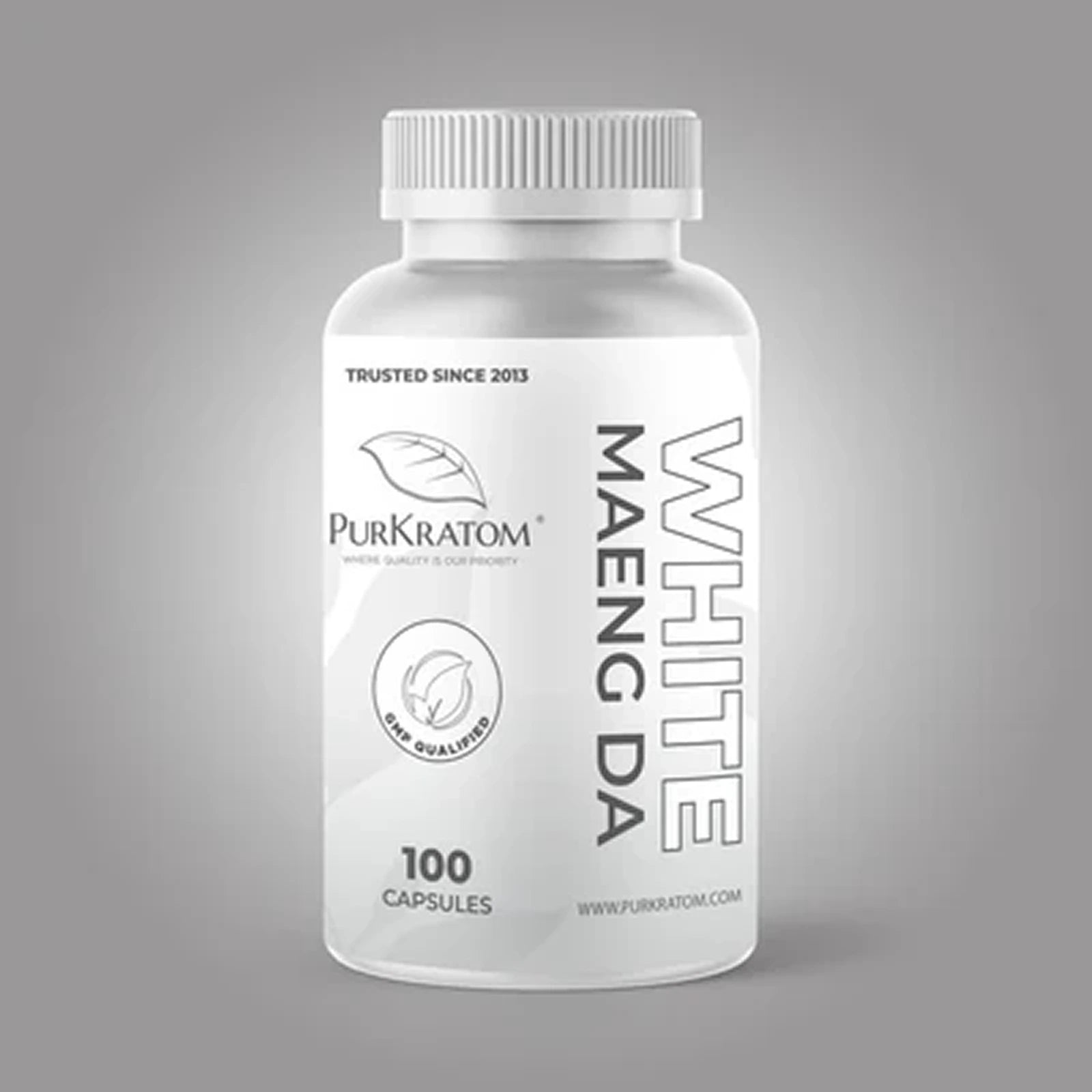
White Maeng Da Kratom Capsules
$26.99
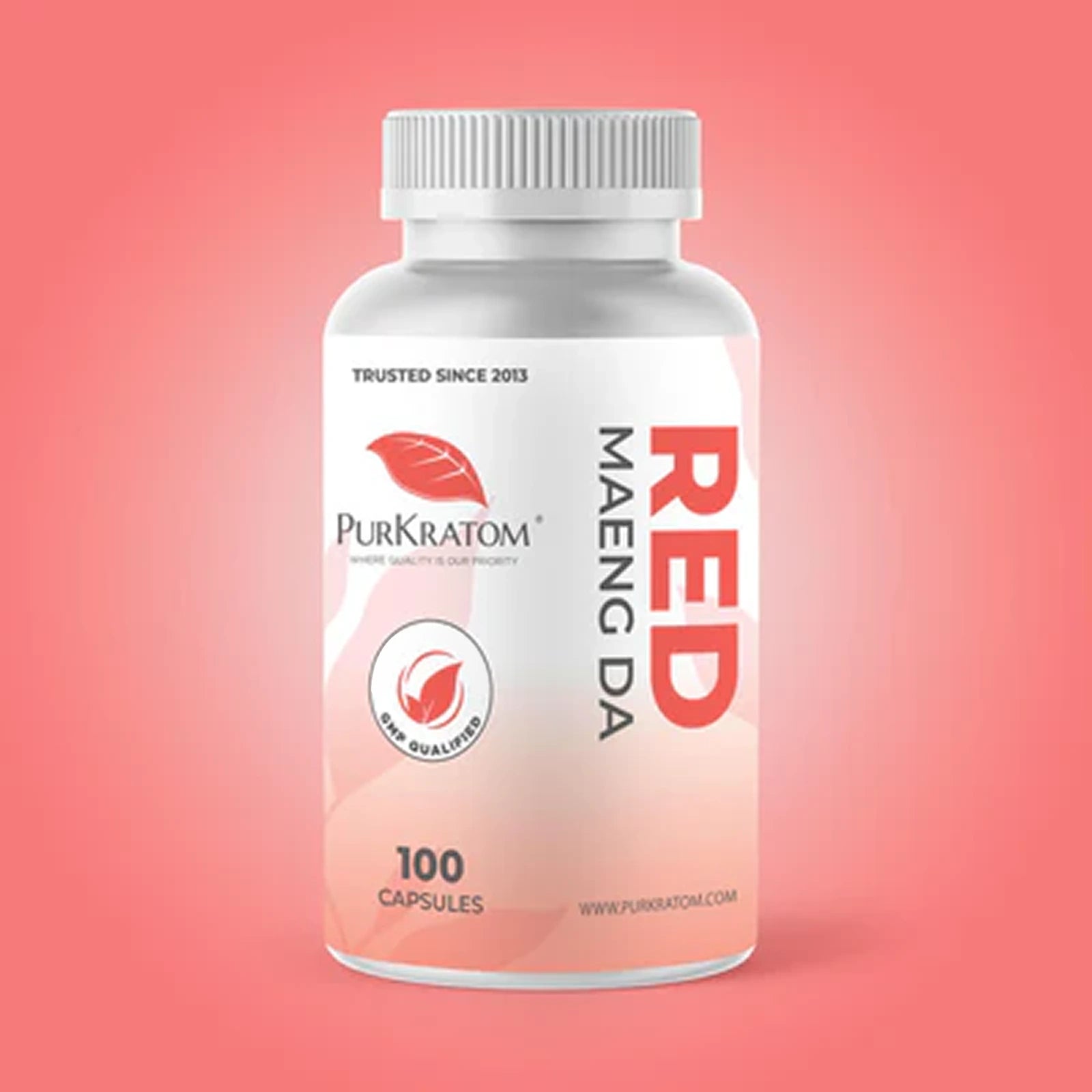
Red Maeng Da Kratom Capsules
$26.99

White Maeng Da Kratom Powder
$31.99
Super Green Maeng Da Kratom Capsules
$26.99

Green Maeng Da Kratom Powder
$31.99