 Login
Login

If you have searched for kratom products, you have probably encountered more than one format. Traditional kratom powder and capsules are common, but kratom extracts can look very different. Some products are powders or liquids, while others may be presented in concentrated formats.
That difference matters.
A kratom extract is not simply another name for ordinary kratom powder. Extracts are produced through a process intended to separate or concentrate compounds from the plant material. As a result, the final product may have a different chemical profile from unprocessed or minimally processed leaf material.
Understanding that distinction is important before comparing products.
Kratom comes from Mitragyna speciosa, a tree native to Southeast Asia. Its leaves contain numerous naturally occurring compounds, including the alkaloids mitragynine and 7 hydroxymitragynine. Research into kratom and these compounds is ongoing, and scientists are still working to understand their effects, pharmacology, safety, and long term implications.
This guide explains what kratom extracts are, how extraction changes a product, what consumers should know about alkaloids, how extracts compare with powder and capsules, why laboratory testing matters, and which questions are worth asking before purchasing.
What Are Kratom Extracts?
A kratom extract is a preparation made by processing kratom plant material to extract or concentrate certain compounds. The resulting preparation can have a different concentration of alkaloids and other plant constituents than ordinary kratom leaf powder.
Kratom itself comes from Mitragyna speciosa, a tropical tree in the coffee family. Traditionally, people in Southeast Asia have used kratom leaves in preparations such as teas and have also chewed the leaves. Modern commercial products are available in formats including powders, capsules, liquids, and extracts.
The word extract describes a production process rather than a guarantee about what a product will contain.
That distinction is important.
Two products can both be labeled as kratom extracts while having different extraction methods, concentrations, ingredient lists, and alkaloid profiles. The label alone does not tell you everything about the finished product.
A responsible consumer should therefore look beyond terms such as:
- Extract
- Enhanced
- Concentrated
- Full spectrum
- Alkaloid blend
These terms can describe products differently depending on the manufacturer and formulation.
The most useful question is not simply, "Is this an extract?"
It is:
"What exactly is in this extract, how is it represented on the label, and what independent information is available about its composition and quality?"
That question shifts the focus from marketing terminology to product transparency.
How Are Kratom Extracts Different From Kratom Powder?
Kratom powder is generally made by drying and grinding kratom leaves into a powder. An extract involves additional processing intended to separate compounds from the original plant material and may concentrate particular constituents.
The fundamental difference is therefore processing and concentration.
| Product format | General description | What consumers should evaluate |
|---|---|---|
| Kratom leaf powder | Ground plant material | Source, labeling, ingredients, testing |
| Kratom capsules | Powder or other material contained in capsules | Ingredients, contents, serving information, testing |
| Kratom extract powder | Processed preparation that may contain concentrated constituents | Alkaloid information, concentration, testing, ingredients |
| Liquid extract | Liquid preparation containing extracted kratom constituents | Ingredient list, concentration information, testing |
| Other concentrated formats | Formulations that may contain extracts or isolated compounds | Full ingredient disclosure and applicable safety information |
This does not mean one format is automatically better than another.
It means consumers should recognize that format and concentration can affect how a product should be evaluated.
A person comparing powder and extract should not assume that equal amounts of each product represent equal amounts of the same compounds.
Why Concentration Changes the Comparison
With ordinary powder, the plant material itself is part of the product.
With an extract, processing may remove some plant material while concentrating selected compounds.
That means comparing products solely by the number of grams on a label can be misleading.
For example, 1 gram of one preparation does not necessarily contain the same chemical composition as 1 gram of another preparation.
This is one reason product specific labeling and testing can be more informative than relying on product names.
Compare kratom powder and capsule formats to better understand how different product formats are labeled and presented.
Why Do Alkaloids Matter?
Kratom contains numerous alkaloids and other naturally occurring compounds. Among the best studied are mitragynine and 7 hydroxymitragynine.
Researchers have identified dozens of alkaloids in kratom, although the pharmacology of many individual compounds remains incompletely understood.
Alkaloid concentration matters because an extract may alter the relative amount of these compounds compared with ordinary plant material.
In simple terms:
The plant is chemically complex, and extraction can change the concentration of compounds within the finished product.
That is why consumers should be cautious about assuming that "more concentrated" automatically means "better."
Concentration is a chemical characteristic, not a quality rating.
What Is Mitragynine?
Mitragynine is generally described as the principal alkaloid in kratom. It has been extensively studied in laboratory and pharmacological research and interacts with several biological targets, including opioid receptors.
However, the presence of mitragynine does not make every kratom product chemically identical.
Its concentration can vary based on factors such as plant material, geography, harvesting, processing, and formulation. Research also indicates that the overall pharmacological activity of kratom cannot necessarily be reduced to a single compound.
What Other Alkaloids Are Present?
Kratom contains other alkaloids, including compounds such as speciogynine, speciociliatine, paynantheine, and others.
Researchers continue to study how these compounds interact and contribute to kratom's overall pharmacological profile.
This is another reason consumers should be careful with simplistic marketing statements that attribute a complex botanical product to one compound or one claimed effect.
Mitragynine vs 7 Hydroxymitragynine
One of the most important distinctions for consumers involves mitragynine and 7 hydroxymitragynine.
7 hydroxymitragynine, commonly called 7 OH, is naturally present in kratom but normally occurs as a minor constituent of the plant. The FDA states that naturally occurring 7 OH comprises less than 2 percent of total alkaloid content in natural kratom leaves.
Research indicates that 7 OH has substantially greater activity at the mu opioid receptor than mitragynine.
This distinction has become increasingly important because the FDA has specifically warned consumers about products containing added or enhanced 7 OH.
The agency distinguishes those concentrated products from ordinary kratom leaf products and has stated that consumers should avoid products containing enhanced levels of 7 OH.
Why This Matters When Shopping
A consumer seeing the word "extract" should not automatically assume that the product contains only naturally concentrated kratom leaf compounds.
Some products marketed in the broader kratom category may contain added, isolated, or enhanced compounds.
That makes the ingredient panel especially important.
Before purchasing, look for clear information about:
- The botanical ingredients
- Added ingredients
- Alkaloid claims
- 7 OH content, if disclosed
- Serving information
- Testing information
- Manufacturer information
If a product makes unusually strong claims about its alkaloid content but provides little supporting information, that is a reason to pause and investigate further.
Common Kratom Extract Formats
Kratom extracts can appear in several forms. The physical format does not necessarily tell you the concentration or composition.
Extract Powder
Extract powders resemble ordinary kratom powder but are produced through additional processing.
Consumers should not assume that extract powder can be evaluated using the same assumptions as standard leaf powder.
Liquid Extracts
Liquid preparations can contain extracted kratom constituents in a liquid base.
The label should make clear what ingredients are present and provide meaningful information about the product.
Capsules
Capsules can contain kratom powder, extract, or another preparation.
The word "capsule" describes the delivery format, not necessarily the underlying material.
Other Concentrated Products
Consumers may encounter tablets, gummies, shots, drink mixes, and other formats containing kratom related compounds.
This is an area where careful label reading is particularly important because some products may contain enhanced levels of 7 OH or other concentrated compounds.
The FDA has specifically warned about concentrated 7 OH products sold in formats such as tablets, gummies, drink mixes, and shots.
What Should Consumers Look for in a Kratom Extract?
When comparing kratom extracts, focus on transparency rather than marketing language.
1. A Clear Ingredient List
A transparent product should identify its ingredients clearly.
Be cautious when a product description leaves important questions unanswered.
2. Meaningful Product Information
Look for information that helps you understand what you are actually purchasing.
This can include:
- Botanical name
- Product format
- Ingredient list
- Product weight
- Serving information
- Batch information
- Alkaloid information where applicable
- Testing documentation where available
3. Testing Information
Testing can help consumers evaluate whether a product has been analyzed for certain characteristics or contaminants.
However, "tested" is not a complete statement by itself.
Consumers should ask:
Tested for what?
A laboratory report may address identity, alkaloid content, microbial contamination, heavy metals, or other characteristics. The scope of testing matters.
4. Transparent Product Claims
Responsible product descriptions should distinguish between factual product characteristics and claims about potential effects.
Scientific evidence surrounding kratom remains incomplete, and the FDA has not approved kratom for any medical use.
5. Current Regulatory Information
Kratom laws can differ between jurisdictions and can change over time.
A product being available online does not automatically mean it is lawful everywhere.
Consumers should verify applicable federal, state, and local requirements before purchasing or possessing kratom products.
Why Laboratory Testing Matters
Laboratory testing is an important part of consumer transparency because botanical products can vary.
Kratom researchers and analytical laboratories use methods capable of identifying and measuring alkaloids such as mitragynine and 7 OH.
Testing can also be relevant to contaminants.
The National Center for Complementary and Integrative Health notes that harmful contaminants, including heavy metals and disease causing bacteria, have been found in some kratom products.
That makes quality control more than a marketing issue.
What Is a Certificate of Analysis?
A Certificate of Analysis, often called a COA, is a laboratory document that can provide information about the results of testing performed on a particular sample or batch.
A useful COA should be interpreted in context.
Consumers should consider:
- Which laboratory performed the test?
- What sample or batch was tested?
- What substances were analyzed?
- What were the reported results?
- What testing method was used?
- Does the document correspond to the product being sold?
A COA should not be treated as proof that a product is universally "safe."
Instead, it can be one piece of information within a broader quality assessment.
Review PurKratom's available product testing and quality information to understand what product documentation is provided before making a purchasing decision.
Kratom Extract Safety Considerations
Safety is one of the most important parts of understanding kratom extracts.
Research into kratom is still developing. The National Center for Complementary and Integrative Health states that relatively little research in humans has evaluated kratom's health effects and that much remains unknown about both short and long term effects.
Reported adverse effects can include nausea, constipation, dizziness, and drowsiness. More serious adverse events, including seizures, high blood pressure, and liver problems, have also been reported.
The FDA has separately warned about risks including liver toxicity, seizures, substance use disorder, and other serious adverse events.
Extracts Require Careful Product Evaluation
Because extracts can involve concentrated constituents, consumers should avoid assuming that an extract has the same characteristics as ordinary leaf powder.
A concentrated product may have a different alkaloid profile or contain ingredients that are not present in traditional leaf material.
This is particularly important when products contain enhanced levels of 7 OH.
Potential Dependence and Withdrawal
Regular kratom use may be associated with dependence and withdrawal symptoms.
NCCIH notes that regular users may experience withdrawal when they stop using kratom.
The FDA has also described cases involving tolerance, cravings, continued use despite adverse consequences, and withdrawal symptoms among some people using kratom.
These issues are important reasons not to treat kratom extracts as ordinary food products simply because they originate from a plant.
Interactions and Combined Use
Research into interactions between kratom and other substances is still developing.
NCCIH notes that kratom used in combination with other drugs has been associated with severe adverse effects and deaths, while the FDA has also raised concerns about serious outcomes associated with kratom use.
If you take medications or use other substances, discussing potential interactions with a qualified healthcare professional is a more reliable approach than assuming that a botanical product cannot interact with them.
Kratom Extracts and 7 Hydroxymitragynine
The growing attention around 7 OH deserves a separate explanation.
Natural kratom leaves contain 7 OH in relatively small amounts. The FDA has stated that products containing added or enhanced levels of 7 OH present a particular concern and has advised consumers to avoid them.
The FDA's 2026 update also describes federal action involving a proposed threshold for 7 OH and certain synthetic kratom related compounds, demonstrating that the regulatory environment is actively evolving.
This creates an important distinction:
A traditional kratom product and a product formulated around concentrated 7 OH should not automatically be treated as the same type of product.
Consumers should read the actual ingredient and alkaloid information rather than assuming that all "kratom extracts" are chemically equivalent.
This is also why current regulatory information should be checked when researching concentrated products.
Kratom Extracts vs Powder vs Capsules
Consumers often compare these formats when deciding what to explore.
| Factor | Kratom Powder | Kratom Capsules | Kratom Extract |
|---|---|---|---|
| Basic format | Ground leaf material | Encapsulated material | Processed preparation |
| Processing | Generally less concentrated | Depends on contents | Additional extraction process |
| Label review | Important | Important | Especially important |
| Alkaloid information | Useful | Useful | Particularly relevant |
| Testing | Valuable | Valuable | Valuable |
| Concentration assumptions | Should be avoided | Should be avoided | Especially important to avoid |
| Ingredient transparency | Important | Important | Critical |
The table does not identify one format as universally preferable.
Instead, it highlights what should change in your evaluation process.
For an extract, concentration and composition deserve particular attention.
For capsules, the consumer should determine whether the capsule contains powder or extract.
For powder, the consumer should still evaluate sourcing, labeling, testing, and applicable regulations.
Compare kratom powder, capsules, and extract formats using PurKratom's relevant educational resources before deciding which product category deserves closer review.
How to Compare Kratom Extract Products
A practical comparison framework can make shopping easier.
Step 1: Identify the Product
Determine whether the product is:
- Plain kratom leaf powder
- Kratom extract
- A mixture of powder and extract
- A concentrated alkaloid product
- A product containing isolated or enhanced compounds
Do not rely solely on the product name.
Step 2: Read the Ingredient Panel
Look for all listed ingredients rather than focusing only on the kratom name.
Step 3: Review Alkaloid Information
If a product provides alkaloid information, determine what exactly is being measured.
Mitragynine and 7 OH are not interchangeable terms.
Step 4: Look for Batch Specific Testing
Testing information is more useful when it is connected to a specific product or batch.
Step 5: Check for Contaminant Testing
Where available, review whether testing addresses contaminants such as heavy metals or microbial contamination.
Step 6: Review the Company's Transparency
A transparent company should make it reasonably easy for consumers to find product information and understand what is being sold.
Step 7: Check Applicable Laws
Confirm that kratom products are permitted in your jurisdiction.
Step 8: Ignore Unsupported Medical Claims
Claims that a product can treat, cure, prevent, or guarantee relief from a medical condition should not be treated as established scientific facts.
The FDA has not approved kratom for any medical use.
What Does "High Potency" Mean?
"High potency" is a marketing or descriptive term that requires context.
It does not by itself explain:
- Which compound is concentrated
- How much of that compound is present
- Whether the concentration is naturally occurring
- Whether other ingredients are included
- How the product was tested
Consumers should therefore ask for measurable information rather than relying on broad potency language.
This is particularly important for products associated with 7 OH because the FDA has warned about products containing enhanced levels of the compound.
Are Kratom Extracts Legal?
There is no single answer that applies everywhere.
Kratom's legal status varies by jurisdiction, and regulations can change.
NCCIH states that kratom is not a federally scheduled controlled substance in the United States, while also noting that it is regulated or restricted in some locations.
The regulatory picture is especially important for concentrated 7 OH products. The FDA has taken action concerning products containing 7 OH, and federal scheduling activity concerning specified 7 OH concentrations was underway in 2026.
Consumers should therefore check current federal, state, and local rules rather than relying on older articles, product listings, or social media posts.
What Makes a Kratom Extract Worth Investigating?
There is no universal checklist that can guarantee the quality or safety of a kratom extract.
However, responsible consumers can prioritize transparency.
Look for:
- Clear labeling
- Complete ingredient information
- Specific product details
- Relevant laboratory testing
- Batch or lot information where available
- Meaningful alkaloid information
- Clear company identification
- No unsupported medical promises
- Accessible educational information
- Current regulatory awareness
The goal is not to find a product with the biggest marketing claims.
The goal is to have enough reliable information to make an informed decision.
Explore PurKratom's available kratom products and review the product information, testing documentation, and labeling provided for each relevant option before making a purchase decision.
Frequently Asked Questions (FAQs)
1. What are kratom extracts?
Kratom extracts are preparations made by processing kratom plant material to extract or concentrate certain compounds. Because extraction can alter the concentration of plant constituents, an extract should not automatically be considered equivalent to ordinary kratom powder.
2. Are kratom extracts stronger than kratom powder?
An extract may contain a higher concentration of particular compounds than ordinary leaf powder, but "stronger" is not a precise scientific description by itself. Consumers should review the actual product composition and testing information rather than comparing products only by weight or marketing terminology.
3. What is the difference between kratom powder and kratom extract?
Kratom powder is generally ground plant material. Kratom extract undergoes additional processing intended to extract or concentrate compounds. This processing can change the chemical profile of the final product.
4. What are the main alkaloids in kratom?
Mitragynine is generally the primary alkaloid found in kratom. 7 hydroxymitragynine is another important compound but normally occurs in much smaller amounts naturally. Kratom also contains numerous other alkaloids.
5. Is 7 hydroxymitragynine the same as kratom extract?
No. 7 hydroxymitragynine is a naturally occurring kratom alkaloid, while an extract is a preparation made through processing. Some commercial products may contain enhanced or added 7 OH, which is a separate issue from simply having a kratom extract. The FDA has specifically warned consumers about products containing enhanced levels of 7 OH.
6. Should I look for a Certificate of Analysis?
A COA can be useful because it may provide laboratory information about a particular sample or batch. However, a COA does not automatically establish that a product is safe or appropriate. Consumers should examine what was tested, which laboratory performed the analysis, and whether the document corresponds to the product being considered.
7. Can kratom extracts cause dependence?
Kratom use can be associated with dependence and withdrawal symptoms, particularly with regular use. The FDA and NCCIH both describe dependence and withdrawal as recognized concerns.
8. What should I check before buying a kratom extract?
Start with the ingredient list, product description, alkaloid information, testing documentation, batch information, company transparency, and applicable laws. Be especially cautious with products that contain or advertise enhanced levels of 7 OH because federal health authorities have issued specific warnings about such products.
Kratom extracts deserve a closer look because they are not simply another name for ordinary kratom powder.
An extract involves additional processing that can change the concentration of naturally occurring compounds. That makes product composition, labeling, testing, and transparency especially important.
The most useful distinction for consumers is between what a product is made from and what it actually contains.
Kratom comes from Mitragyna speciosa and contains many alkaloids, including mitragynine and smaller amounts of naturally occurring 7 hydroxymitragynine. Research continues to investigate how these compounds interact with the body, and important questions about kratom's safety and long term effects remain unresolved.
Consumers should also understand the growing regulatory attention surrounding concentrated 7 OH products. The FDA has specifically warned against products containing enhanced or added 7 OH and has taken regulatory steps concerning these products.
For anyone researching kratom extracts, the best next step is not to rely on a product name or a single marketing claim.
Instead:
Understand the format. Review the ingredients. Examine available testing. Consider alkaloid information. Check current regulations. Then make an informed decision based on transparent product information.
Ready to continue your research? Explore PurKratom's kratom education resources, compare available product formats, and review the product and testing information provided for relevant kratom products before making a purchasing decision.
Disclaimer: This content is for educational and informational purposes only and is not intended to provide medical advice, diagnose, treat, cure, or prevent any disease or health condition. Kratom research is still developing, and individual responses may vary. Consult a qualified healthcare professional before using kratom, especially if you take medications, have a medical condition, are pregnant or breastfeeding, or have concerns about potential interactions. Laws and regulations regarding kratom vary by location and may change, so verify current local requirements before purchasing or using kratom.
Based on your interest,
we recommend:
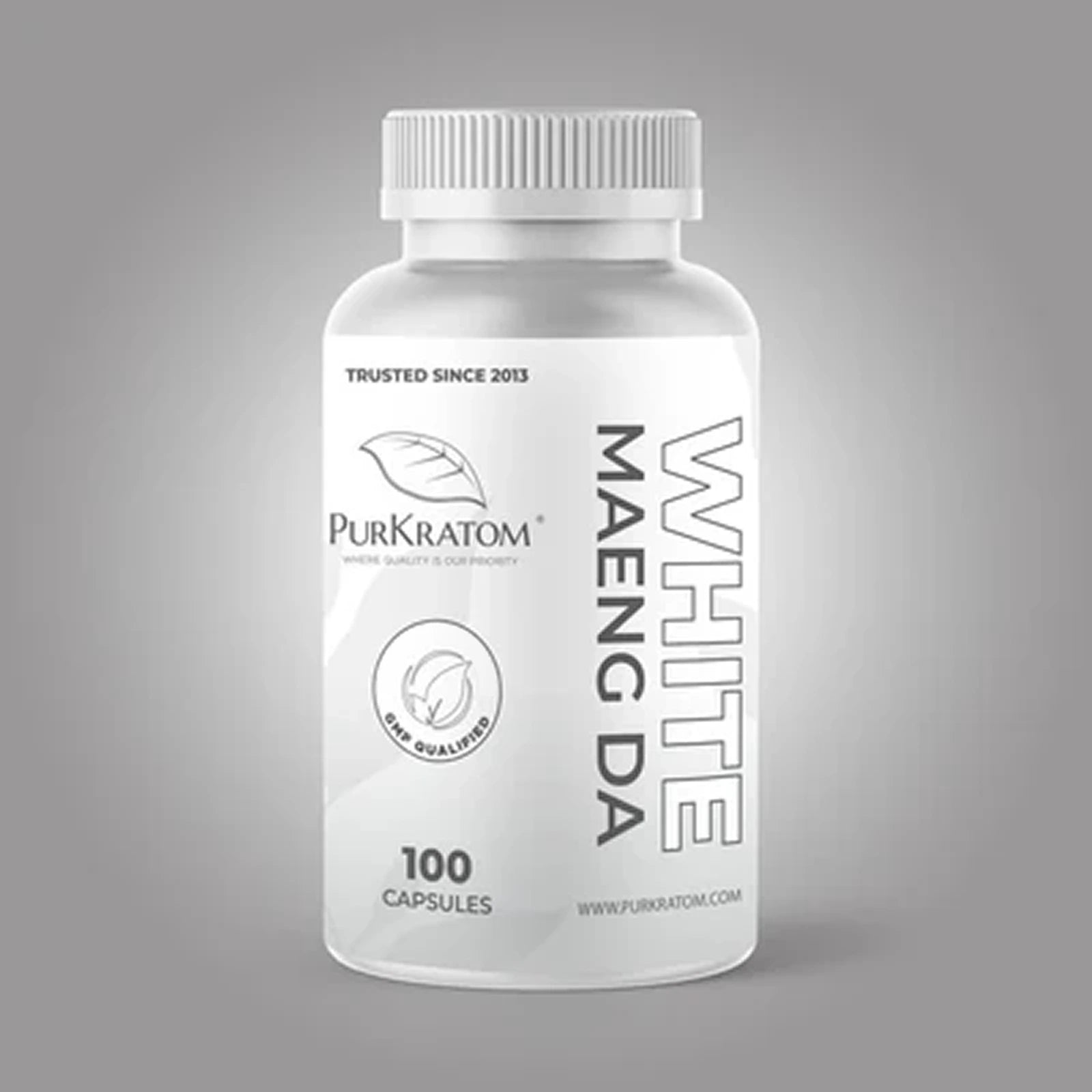
White Maeng Da Kratom Capsules
$26.99
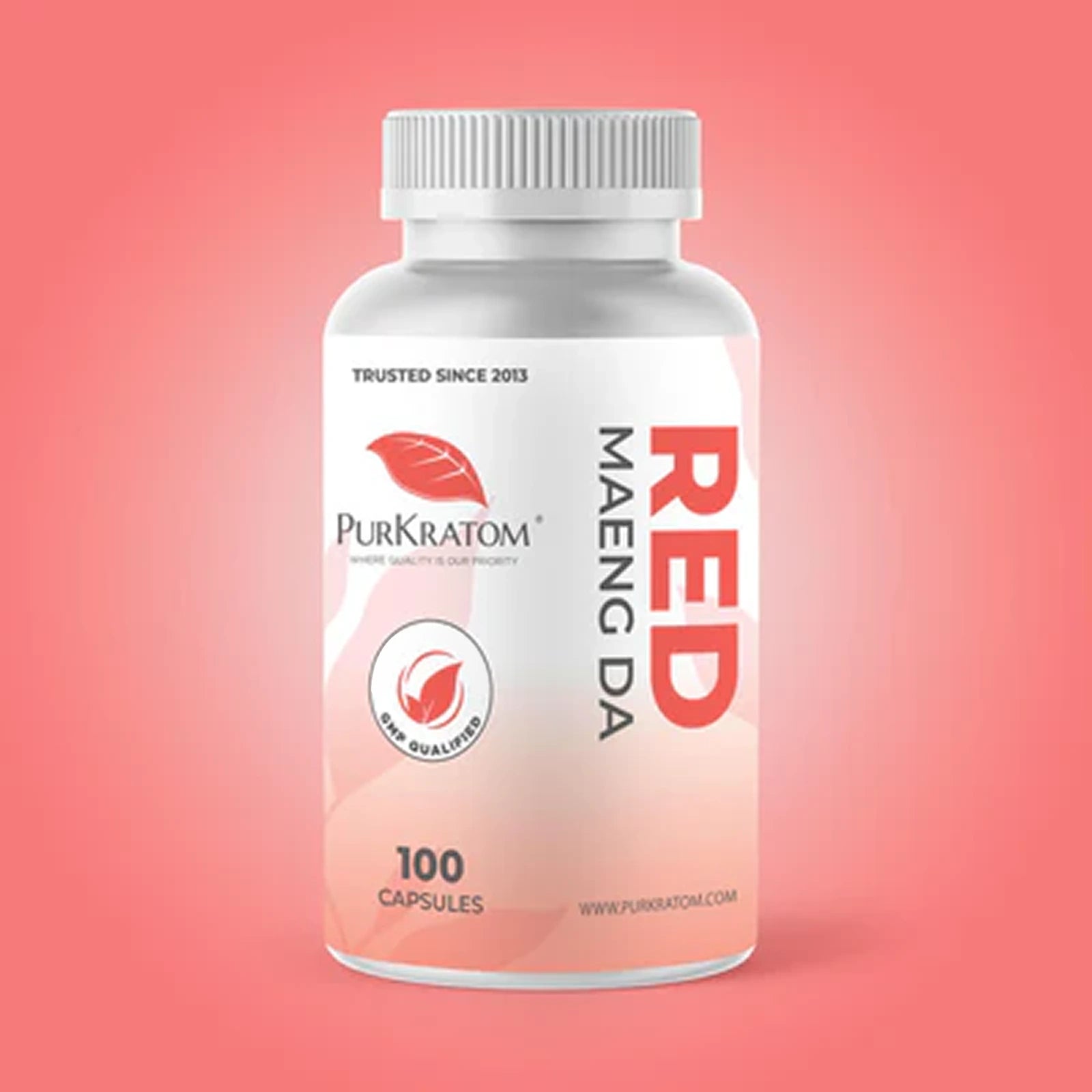
Red Maeng Da Kratom Capsules
$26.99

White Maeng Da Kratom Powder
$31.99
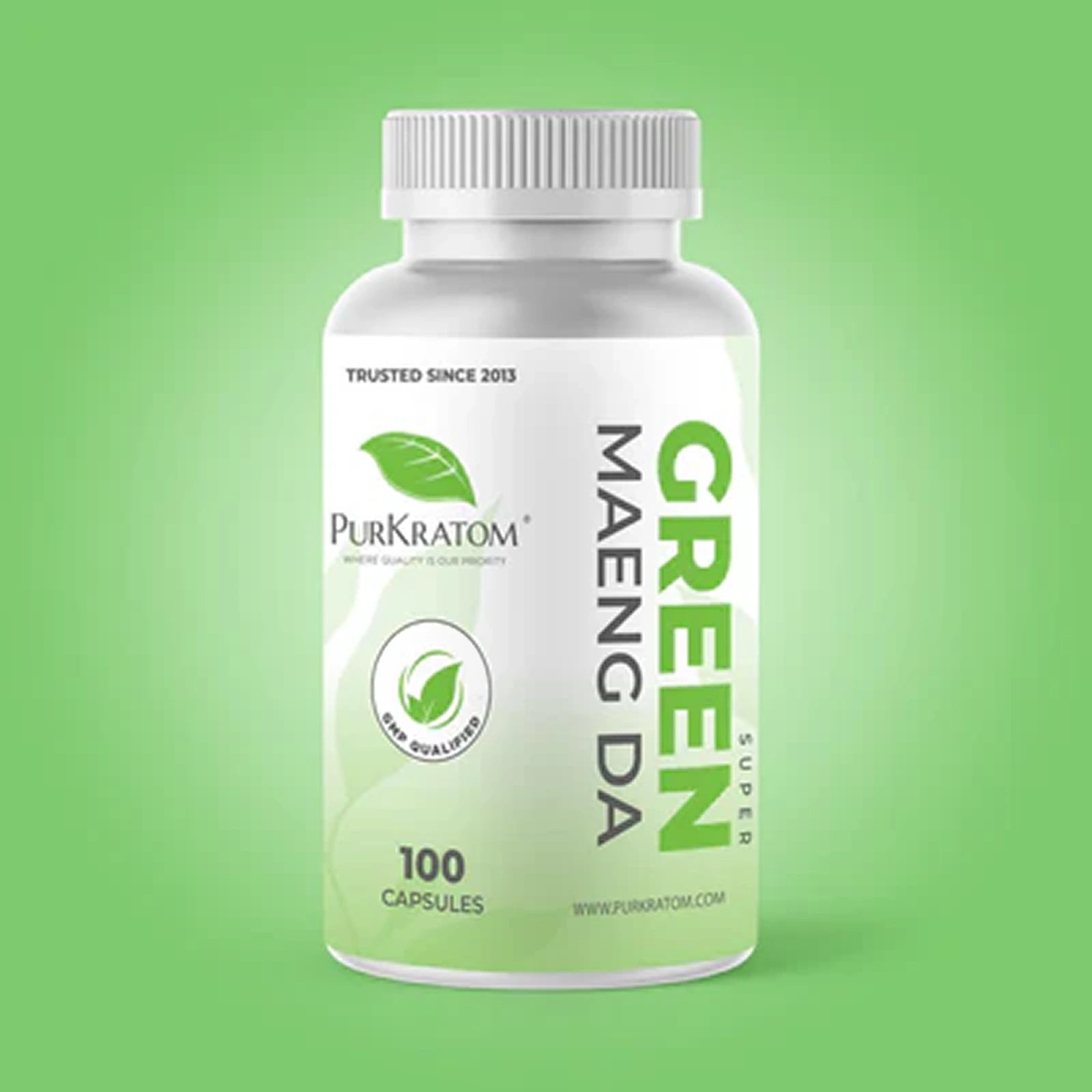
Super Green Maeng Da Kratom Capsules
$26.99

Green Maeng Da Kratom Powder
$31.99