 Login
Login

If you're comparing kratom powder vs. capsules, the biggest difference is not necessarily what's inside the product it's how that material is packaged and consumed.
Kratom comes from the leaves of Mitragyna speciosa, a tree native to Southeast Asia. Commercial products can be sold in several formats, including loose powder, capsules, teas, and extracts. Research has identified numerous alkaloids in kratom, with mitragynine being one of the most abundant and studied.
That makes the powder-versus-capsule question more nuanced than simply asking which one is "better."
Powder can provide flexibility and may be useful for people who prefer to measure or mix their product themselves. Capsules are designed for convenience, portability, and less mess. Neither format automatically guarantees a particular experience, potency, or safety profile.
For consumers, other factors matter too: product labeling, batch testing, ingredient information, quality controls, applicable laws, and whether the product contains plain leaf material or a more concentrated preparation.
Ready to compare the two formats directly? Explore PurKratom's kratom powder collection and compare it with the kratom capsule collection to see the available product formats.
What Is Kratom Powder?
Kratom powder is generally made by drying and grinding kratom leaves from Mitragyna speciosa into a fine plant material.
The resulting powder can be sold by weight and may be offered in different varieties or product categories. Depending on the product, labels may identify characteristics such as the botanical name, variety, serving information, net weight, ingredients, and testing information.
Because the material is loose, powder offers flexibility in how it is handled. Some consumers mix it into a beverage or food, while others use another preparation method.
The important point is that powder describes a physical format, not a guarantee of potency or effects.
Two products can both be labeled "kratom powder" while differing in botanical source, processing, alkaloid profile, batch characteristics, or laboratory results.
Scientific literature also shows why consumers should avoid assuming that every kratom product is chemically identical. Kratom contains multiple alkaloids, and concentrations can vary among products and plant material.
What Are the Advantages of Kratom Powder?
For consumers who prefer flexibility, powder can offer several practical advantages:
- Easy to purchase by weight
- Flexible preparation options
- No capsule shell
- Simple to combine with a preferred beverage or food
- Useful for consumers who want to work with a measured quantity of loose material
- Often available in multiple varieties
The main tradeoff is that loose powder requires more handling.
A consumer has to consider measuring, storage, preparation, cleanup, and taste.
What Are the Potential Drawbacks?
Powder may be less convenient for people who travel frequently or dislike handling loose botanical material.
It can also have a noticeable taste and texture. Measuring loose powder requires appropriate equipment and careful attention to the product label.
Most importantly, consumers should avoid assuming that a scoop, teaspoon, or capsule count is a universal measurement. Product density and labeling can differ.
What Are Kratom Capsules?
Kratom capsules are capsules filled with kratom material. In many products, the capsule contains powdered kratom leaf rather than representing a completely different botanical substance.
That means the central distinction can be format rather than plant material.
Capsules are popular because they package the material into individual units. This can make them easier to transport, store, and consume without directly handling loose powder.
For example, PurKratom's capsule collection includes red, green, white, yellow, and blend categories. The collection is specifically organized around the capsule format.
One PurKratom product page, for example, identifies its product type as capsules and provides product-specific serving and total-kratom information.
What Are the Advantages of Kratom Capsules?
Capsules may appeal to consumers who prioritize:
- Convenience
- Portability
- Less mess
- No need to handle loose powder
- Clear unit-based labeling
- Easier storage
- A more neutral experience than consuming loose powder directly
Capsules can be particularly practical when someone wants a format that is easy to pack and use outside the home.
What Are the Potential Drawbacks?
Capsules are not automatically the right choice for everyone.
Depending on the product, consumers may have less flexibility because each capsule contains a specified amount. People who prefer to measure loose material may find powder more adaptable.
Capsules can also require swallowing multiple units, particularly when a product contains a relatively small amount per capsule.
The capsule shell itself also adds another ingredient or material that consumers may want to review on the label.
Kratom Powder vs. Capsules: The Key Differences
The simplest way to compare the two is to look at the practical factors that affect everyday use.
| Factor | Kratom Powder | Kratom Capsules |
|---|---|---|
| Format | Loose ground botanical material | Encapsulated botanical material |
| Convenience | Requires preparation | Generally more convenient |
| Portability | Can be less convenient | Highly portable |
| Handling | Requires handling loose powder | Minimal handling |
| Taste | Usually noticeable | Generally easier to avoid |
| Flexibility | More flexible | Unit-based |
| Measurement | Requires a suitable scale or product-specific measurement | Based on labeled amount per capsule |
| Storage | Requires sealed storage | Convenient bottle/container format |
| Preparation | May require mixing or another method | Usually simpler |
| Ingredient review | Check powder label | Check both kratom and capsule ingredients |
| Quality considerations | Source, testing, labeling, contamination | Same plus capsule contents/material |
| Extract distinction | May be plain powder or another preparation | May contain powder or extract depending on label |
Powder prioritizes flexibility, while capsules prioritize convenience.
That doesn't mean one is universally better.
The best choice depends on what matters most to the individual consumer and what the specific product contains.
Is Kratom Powder Stronger Than Capsules?
Not necessarily.
A common misconception is that powder must be stronger because it is the "raw" format, while capsules must be weaker because they are enclosed in a shell.
The format itself does not determine potency.
If capsules contain the same type and amount of kratom powder as a comparable measured amount of loose powder, the capsule shell is not what determines the botanical material's alkaloid content.
What matters more is the product's actual composition.
What Can Affect Product Composition?
Factors can include:
- Botanical material
- Plant source
- Processing
- Storage
- Alkaloid concentration
- Whether the product is plain leaf or concentrated
- Batch-to-batch variation
- Manufacturing practices
- Laboratory testing
Research reviews have emphasized that commercially available kratom products can vary in alkaloid concentrations, which is one reason consumers should not assume that a particular format automatically indicates potency.
Powder vs. Capsules: Don't Confuse Format With Concentration
This distinction is especially important when comparing standard kratom products with extracts.
A capsule containing ordinary kratom powder and a capsule containing a concentrated extract are not necessarily equivalent.
Likewise, loose powder and extract powder should not be treated as interchangeable simply because both are sold as powders.
Always read the product description and label to determine what you're actually comparing.
Which Format Is Easier to Measure?
For many consumers, capsules are simpler because the product is divided into individual units.
However, "easy to count" is not the same as "universally precise."
The amount in each capsule should be based on the manufacturer's product labeling. Different brands and products may use different capsule sizes and fill amounts.
Powder, on the other hand, generally requires a scale if the consumer wants a precise measurement by weight.
This creates a practical tradeoff:
Capsules: easier unit-based handling.
Powder: greater flexibility in measuring a chosen quantity.
For responsible purchasing, use the product's own serving and ingredient information rather than relying on generalized capsule counts or internet dosage charts.
What About Taste and Texture?
This is one of the most noticeable differences.
Kratom powder is a botanical material, and consumers may find its taste and texture unpleasant.
Capsules largely separate the consumer from that sensory experience because the powder is enclosed in a capsule.
For someone who strongly dislikes the taste of kratom powder, capsules may therefore be the more convenient format.
This is a format preference, not evidence that capsules provide a safer or more effective product.
Does the Capsule Material Change the Kratom?
The presence of a capsule shell means the product contains more than loose kratom powder, so consumers should review the ingredient information.
The exact capsule material depends on the manufacturer and product.
For that reason, someone with ingredient restrictions or sensitivities should read the complete label rather than assuming that every capsule is identical.
The same principle applies to flavored products, blends, extracts, and other specialized formats.
The label should tell you what you're purchasing.
Powder vs. Capsules for Convenience and Portability
If convenience is the deciding factor, capsules usually have the advantage.
A bottle of capsules can be easier to transport than a container of loose powder. There's no need to carry a measuring device, mix the material, or deal with powder residue.
Powder can still be convenient at home, especially for consumers who already have an established preparation routine.
Capsules May Make More Sense If You:
- Travel frequently
- Prefer minimal preparation
- Dislike the taste of loose powder
- Want a compact format
- Prefer individual units
- Don't want to handle loose botanical material
Powder May Make More Sense If You:
- Prefer flexibility
- Want to prepare the material in different ways
- Prefer purchasing loose material by weight
- Don't mind measuring
- Want to avoid capsule shells
Neither list is a recommendation for personal use. It is simply a way to identify the practical differences between formats.
Powder vs. Capsules: What About Cost?
Price comparisons can be misleading if you compare a bottle of capsules with a bag of powder without calculating the amount of kratom in each product.
A better comparison considers:
- Total kratom amount
- Number of servings
- Amount per serving
- Price per gram
- Shipping costs
- Product testing or quality information
- Whether the product is plain leaf or concentrated
For example, a capsule bottle may have a higher sticker price but provide a highly convenient format. Powder may offer more material by weight but require more preparation.
The most useful comparison is therefore value per amount of material and convenience, rather than simply looking at the lowest advertised price.
PurKratom currently maintains separate collections for its powder and capsule formats, allowing shoppers to compare the available options within each format.
Compare PurKratom's kratom powder options with its capsule collection and review the product-specific information before deciding which format better matches your practical preferences.
Powder, Capsules, and Kratom Extracts Are Not the Same
One of the most important distinctions in kratom shopping is the difference between format and concentration.
Powder and capsules describe how a product is presented.
Extract describes a preparation in which certain constituents have been concentrated or otherwise processed.
That means:
- Powder ≠ automatically plain leaf in every product
- Capsule ≠ automatically concentrated
- Extract ≠ interchangeable with ordinary powder
- A capsule can contain powder
- A capsule can potentially contain an extract
- Two products with the same strain name can still differ substantially in composition
Consumers should therefore read the actual product description.
This distinction is especially important because the scientific literature identifies multiple alkaloids in kratom, and concentrated preparations can change exposure compared with ordinary plant material.
A Note About 7-Hydroxymitragynine
Mitragynine and 7-hydroxymitragynine are among the best-known kratom alkaloids.
However, consumers should be careful with products marketed around concentrated or added 7-hydroxymitragynine.
The FDA issued a 2025 warning specifically concerning products containing added or enhanced 7-OH, describing these products as potentially dangerous and distinguishing them from the trace amounts naturally present in kratom leaf.
This is another reason that reading the ingredient and product description matters more than judging a product solely by whether it is a powder or capsule.
What Should You Look for When Comparing Products?
A useful comparison checklist can help prevent format from becoming the only consideration.
1. Check the Product Type
Determine whether you're looking at:
- Plain kratom powder
- Kratom capsules
- A blend
- An extract
- A concentrated product
- A product containing added ingredients
Don't assume the format tells you everything.
2. Read the Label
Look for:
- Ingredients
- Net quantity
- Serving information
- Manufacturer information
- Warnings
- Batch information
3. Review Testing Information
If laboratory testing is provided, determine what was tested and whether the information corresponds to the product or batch you're considering.
4. Compare the Actual Quantity
When comparing price, look at the amount of kratom rather than only the bottle or package price.
5. Consider Convenience
Ask yourself whether you value:
- Portability
- Easy storage
- Less preparation
- Flexible measurement
- Taste avoidance
- Different preparation options
6. Check Applicable Laws
Kratom laws and restrictions can vary by location and can change over time.
Before purchasing or possessing kratom, check the laws applicable to your jurisdiction. Do not assume that a product's availability online means it is legal everywhere.
7. Avoid Medical Assumptions
Kratom is not an FDA-approved treatment for medical conditions.
The scientific literature continues to examine its pharmacology, possible effects, risks, interactions, tolerance, dependence, and withdrawal. Evidence remains incomplete in important areas.
How to Choose Between Kratom Powder and Capsules
If you're deciding strictly on format, use this simple framework.
Choose Powder When Flexibility Is Your Priority
Powder may be the more practical format if you prefer loose material and different preparation options.
Its main advantage is flexibility.
You can purchase it by weight and choose how you want to handle the material, subject to the product's labeling and applicable safety considerations.
Choose Capsules When Convenience Is Your Priority
Capsules may be the more practical format when portability, minimal preparation, and reduced handling matter most.
They are particularly straightforward for consumers who don't want to measure or mix loose powder.
Choose Based on Product Information, Not Just Format
If two products are being compared, look beyond "powder vs. capsules."
Compare:
- Ingredients
- Amount per unit
- Total quantity
- Product type
- Testing information
- Manufacturer transparency
- Batch information
- Price per amount
- Applicable warnings
This approach produces a much more meaningful comparison.
Are Capsules Better Than Powder?
No format is universally better.
Capsules are generally more convenient, portable, and less messy. Powder is generally more flexible and easier to purchase as a loose quantity for different preparation preferences.
The more important question is:
Which format's practical advantages matter most to you, and does the specific product provide clear information about its contents and quality?
That distinction keeps the comparison grounded in facts rather than marketing claims.
Kratom Powder vs. Capsules: Which One Is Right for You?
The answer comes down to priorities.
| If You Prioritize... | The Format to Consider |
| Portability | Capsules |
| Minimal preparation | Capsules |
| Less mess | Capsules |
| Avoiding loose-powder taste | Capsules |
| Flexible preparation | Powder |
| Buying loose material by weight | Powder |
| Mixing into beverages or food | Powder |
| Easy unit-based handling | Capsules |
| Custom measurement flexibility | Powder |
This table isn't a recommendation about whether someone should use kratom. It simply summarizes the practical differences between two product formats.
For anyone considering a purchase, the next step should be comparing the specific products, their labels, their testing information, and their applicable restrictions.
If you've decided that one format better matches your practical preferences, browse PurKratom's kratom capsules or explore the available kratom powder collection. Review each product's information before making a purchasing decision.
Common Questions About Kratom Powder and Capsules
1. What is the main difference between kratom powder and capsules?
The main difference is the physical format. Kratom powder is loose ground plant material, while capsules contain kratom material inside a capsule. Powder generally offers more flexibility, while capsules prioritize convenience and portability.
2. Are kratom capsules just powder inside a capsule?
Often, capsules contain powdered kratom leaf material, but consumers should check the product label. Some products may contain different preparations, including extracts or blends. Never assume the contents based only on the word "capsules."
3. Is kratom powder stronger than kratom capsules?
Not automatically. Format does not determine potency. The amount and composition of the material, alkaloid concentration, processing, and whether a product is plain leaf or concentrated are more relevant factors.
4. Are kratom capsules easier to take than powder?
Many consumers may find capsules more convenient because they eliminate the need to handle loose powder or prepare it for consumption. They can also be easier to carry.
5. Does kratom powder taste different from capsules?
Yes. Loose powder has direct taste and texture characteristics that are largely avoided when the material is enclosed in a capsule.
6. Are capsules more expensive than kratom powder?
They can be, but price varies by product, quantity, brand, and formulation. A fair comparison should consider the total amount of kratom, servings, price per amount, and convenience rather than package price alone.
7. Do kratom capsules contain a specific amount?
The amount varies by product. Consumers should check the individual product label for the amount per capsule and serving information instead of assuming all capsules contain the same quantity.
8. Are kratom powder and kratom extracts the same?
No. Powder describes a physical product format, while an extract generally refers to a preparation in which constituents have been concentrated or otherwise processed. Consumers should read the product description carefully.
The difference between kratom powder and capsules is primarily one of format.
Powder gives consumers a loose botanical product with greater preparation flexibility. Capsules package kratom into a convenient, portable form that reduces handling and makes unit-based labeling easier to follow.
Neither format is automatically stronger, safer, or better.
The more useful comparison considers the actual product: what it contains, how much it contains, whether it is plain leaf or concentrated, what testing information is available, how it is labeled, and whether its purchase and possession are permitted where you live.
Kratom research is still developing, and major health and regulatory questions remain. Scientific reviews continue to examine kratom's alkaloids, pharmacology, potential interactions, tolerance, dependence, and adverse effects, while the FDA continues to issue consumer warnings about kratom and certain concentrated 7-OH products.
For that reason, an informed purchasing decision should begin with education not with assumptions about which format is "best.
If you're ready to compare the available formats, start by reviewing PurKratom's kratom powder collection and kratom capsule collection. For additional confidence, review the product-specific labeling and available quality/testing information before making a purchase.
Disclaimer: This content is for educational and informational purposes only and is not intended to provide medical advice, diagnose, treat, cure, or prevent any disease or health condition. Kratom research is still developing, and individual responses may vary. Consult a qualified healthcare professional before using kratom, especially if you take medications, have a medical condition, are pregnant or breastfeeding, or have concerns about potential interactions. Laws and regulations regarding kratom vary by location and may change, so verify current local requirements before purchasing or using kratom.
Based on your interest,
we recommend:
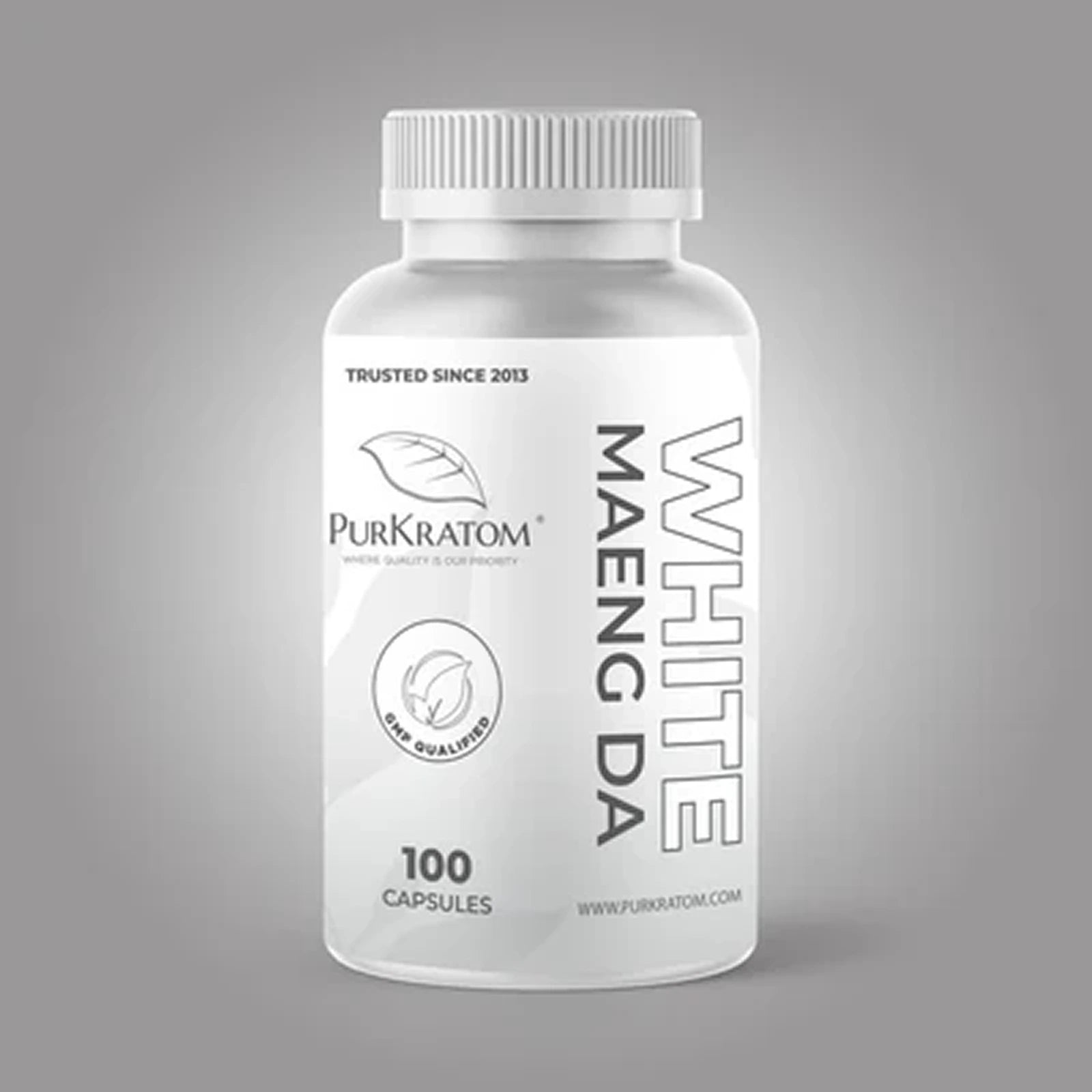
White Maeng Da Kratom Capsules
$26.99
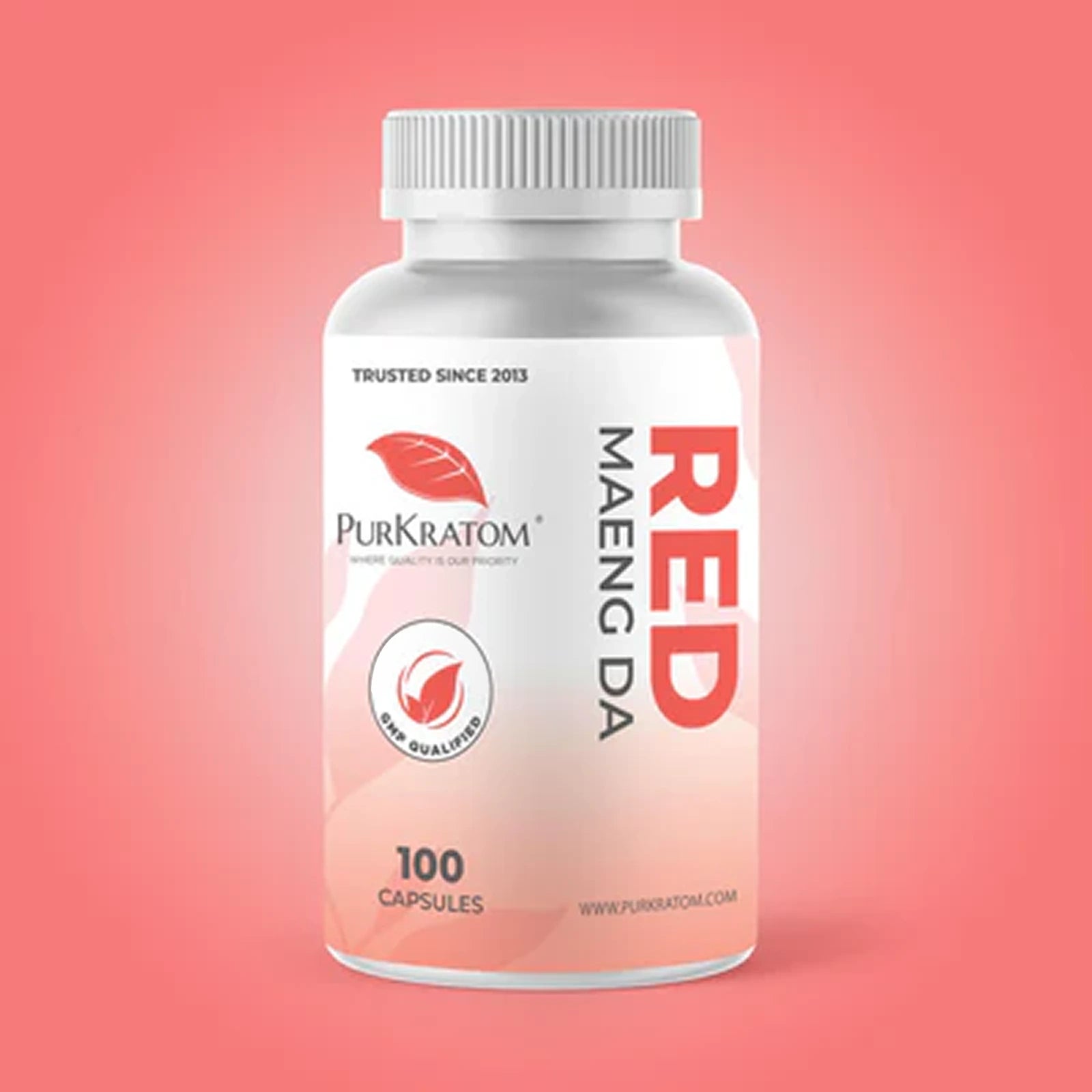
Red Maeng Da Kratom Capsules
$26.99

White Maeng Da Kratom Powder
$31.99
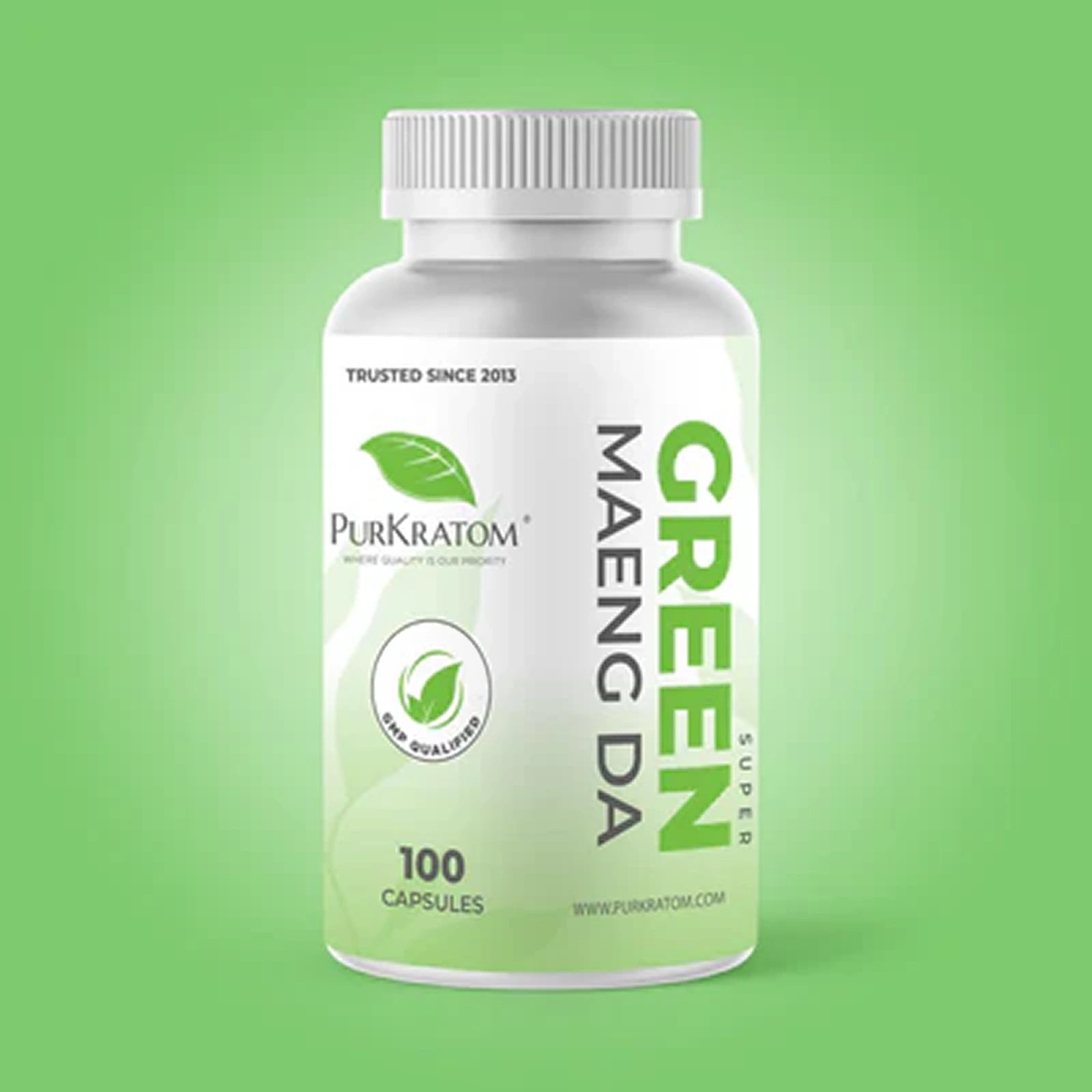
Super Green Maeng Da Kratom Capsules
$26.99

Green Maeng Da Kratom Powder
$31.99