 Login
Login

If you searched for red vein kratom, you are probably looking for more than a product description.
You may want to know what “red vein” actually means, whether Red Bali is different from Red Borneo, how red kratom compares with green or white varieties, what compounds are responsible for kratom's activity, and how to evaluate a product before buying it.
Those are reasonable questions because kratom terminology can be confusing. Product names often combine a color, a geographic name, and a strain label, while scientific research paints a more complicated picture of how those labels relate to chemistry and effects.
This guide takes a closer look at red vein kratom from both a consumer and scientific perspective. It explains what the term means, what is known about kratom's major alkaloids, what remains uncertain about “strains,” how product formats differ, and what responsible shoppers should look for when evaluating quality and transparency.
PurKratom currently offers a dedicated Red Kratom collection with products including Red Bali, Red Maeng Da, and Red Vein Borneo in powder and capsule formats.
What Is Red Vein Kratom?
Red vein kratom is a commercial category of kratom associated with mature leaves that display reddish-colored veins. The plant itself is Mitragyna speciosa, a tropical tree native to Southeast Asia.
The phrase “red vein” is primarily a consumer-facing classification. It does not mean that every red-vein product has the same chemistry.
This distinction is important.
A product may be marketed as Red Bali, Red Maeng Da, or Red Borneo, but the name alone cannot tell you exactly how much mitragynine or other alkaloids it contains.
In simple terms
Think of “red vein” as a product category and naming convention, not a guarantee of a standardized chemical formula.
That is one reason consumers should look beyond the name on the front of a package.
Where Does Red Vein Kratom Come From?
Kratom is native to Southeast Asia, where Mitragyna speciosa has a long history of traditional use.
The tree belongs to the Rubiaceae family, the same broad botanical family that includes coffee. Kratom grows naturally in tropical environments and has become an internationally marketed botanical product.
Commercial kratom may be associated with locations such as:
- Bali
- Borneo
- Malaysia
- Thailand
- Indonesia
- Sumatra
These geographic labels appear throughout the kratom marketplace.
However, a geographic name should not automatically be interpreted as proof that a product has a unique or standardized chemical composition.
Why do geographic names appear on kratom products?
Historically, sellers and consumers have used geographic labels to distinguish products based on perceived origin, traditional naming, supplier terminology, or expected characteristics.
That has resulted in familiar names such as:
- Red Bali
- Red Borneo
- Red Malay
- Red Sumatra
- Red Maeng Da
For consumers, these names can be useful for organizing product choices.
For scientific purposes, however, they should be treated cautiously.
Why Is It Called “Red Vein”?
The name comes from the reddish appearance traditionally associated with the veins of certain kratom leaves.
Once kratom leaves are dried and processed into powder or placed into capsules, the visible vein itself may no longer be apparent.
The color terminology remains because it has become established in the commercial kratom market.
It is also important to understand that leaf color is not the same thing as alkaloid content.
A common assumption is:
Red = one specific chemical profile
Green = another specific chemical profile
White = another specific chemical profile
Research has not demonstrated such a simple relationship.
A 2023 study examining self-reported effects and laboratory-analyzed kratom products found that users reported differences between red, green, and white products, but the products analyzed did not show significant cross-strain differences in alkaloid content. The researchers concluded that marketing narratives and expectations may contribute to perceived differences.
Color labels can help consumers navigate the marketplace, but they should not be treated as laboratory measurements.
If you want to understand a particular product, product-specific testing information is more informative than the color name alone.
Mitragynine
Mitragynine is the predominant alkaloid found in kratom and is one of the primary compounds studied by researchers.
The FDA notes that kratom contains more than 50 alkaloids and that most scientific research has focused on mitragynine and 7-OH.
Mitragynine interacts with multiple biological systems, including opioid receptors, which is one reason kratom has attracted significant scientific and public-health interest.
That does not mean that botanical kratom should simply be equated with conventional opioid medications. Its chemistry is more complex, and research into its effects and risks is still developing.
Does Red Vein Kratom Have Different Effects From Green or White Kratom?
Red, green, and white kratom are marketed as having different effect profiles, but scientific evidence does not establish that vein color consistently predicts a specific effect profile.
This is one of the most important points in understanding modern kratom marketing.
Consumers commonly encounter descriptions suggesting that:
- Red kratom is more relaxing
- Green kratom is more balanced
- White kratom is more stimulating
These descriptions are widespread in the marketplace.
But the scientific evidence is more limited.
The 2023 study mentioned earlier found that users reported different subjective experiences associated with red, green, and white products. However, laboratory analysis did not identify significant cross-strain differences in alkaloid content among the products examined.
That does not prove that every kratom product is chemically identical.
Instead, it means that color and strain names alone are not reliable substitutes for product-specific chemical analysis.
Why might people report different experiences?
Several factors could contribute, including:
- Individual differences
- Expectations
- Product composition
- Alkaloid concentrations
- Processing methods
- Product age and storage
- Serving size
- Other ingredients
- Marketing and labeling
- Differences between batches
Research on kratom is still developing, so stronger conclusions require more controlled human studies.
The National Center for Complementary and Integrative Health similarly describes kratom research as being in its early stages, with more information needed about effects, safety, and possible therapeutic applications.
If you are still comparing the basic categories, continue with PurKratom's educational resource on Kratom Strains: Red, White, or Green before choosing a product. It provides a useful next step for understanding the terminology used across the kratom marketplace.
Red Bali vs. Red Maeng Da vs. Red Borneo
Three names you are likely to encounter when researching red vein kratom are Red Bali, Red Maeng Da, and Red Borneo.
They are often presented as distinct varieties.
But what should the names actually tell you?
| Variety | Common marketplace description | What the name tells you | What it does not guarantee |
|---|---|---|---|
| Red Bali | Often marketed as a red-vein variety associated with Bali | Commercial/geographic name | A standardized alkaloid profile |
| Red Maeng Da | Commonly marketed as a distinct “Maeng Da” variety | Commercial strain designation | A predictable potency or effect |
| Red Borneo | Associated with Borneo in commercial naming | Geographic/market designation | Identical chemistry between batches |
The most useful way to think about these names is as identifiers within the marketplace, rather than medical or scientific classifications.
PurKratom currently lists Red Bali, Red Maeng Da, and Red Vein Borneo products within its red kratom offerings.
Red Bali
Red Bali is one of the most recognizable names in the red kratom market.
PurKratom currently offers Red Bali Kratom Capsules and lists Red Bali among its red-vein options.
Red Maeng Da
Red Maeng Da is another widely recognized commercial name.
It is commonly presented as a distinct kratom variety, but the name itself should not be interpreted as a laboratory certification of potency, alkaloid content, or a guaranteed user experience.
Red Borneo
Red Borneo is associated commercially with Borneo.
PurKratom currently offers Red Vein Borneo Kratom Powder and Red Vein Borneo Kratom Capsules.
When comparing these products, consider the actual product information, testing documentation, format, labeling, and current availability rather than assuming that a geographic name guarantees a specific experience.
Red Vein Kratom Powder vs. Capsules
Once you have decided to explore red vein kratom as a product category, the next question is often powder or capsules?
The choice is primarily about format and convenience rather than assuming one format has inherently better effects.
Red vein kratom powder
Powder is the traditional commercial format for many kratom products.
Potential practical advantages include:
- Flexible measurement
- Easy mixing into beverages or foods
- Availability across many varieties
- Often more packaging-size choices
PurKratom currently offers a Kratom Powder collection that includes red, green, white, and yellow categories.
Red vein kratom capsules
Capsules contain measured amounts of kratom powder inside a capsule shell.
Practical advantages can include:
- Convenience
- Portability
- No need to mix powder
- Less mess
- Easier product-format consistency
PurKratom's Red Kratom Capsules collection currently includes Red Vein Borneo, Red Bali, and Red Maeng Da options.
Which format should you choose?
There is no universal answer.
A consumer comparing formats should consider:
- Convenience
- Product labeling
- Available testing information
- Personal preferences
- Cost per amount of product
- Packaging and storage
- Current local laws and restrictions
Do not interpret capsule or powder format as proof that a product is inherently safer, stronger, or more effective.
If your main question is format rather than strain, compare PurKratom's kratom powder and capsule collections to see how the available product formats differ.
How to Evaluate Red Vein Kratom Quality
A red-vein label tells you relatively little about quality by itself.
When evaluating a kratom product, look for transparent information that helps you understand what you are buying.
1. Clear product labeling
A reputable product page or package should make it reasonably clear:
- What the product contains
- What form it takes
- How much product is included
- Who manufactures or distributes it
- What testing information is available
- What warnings or restrictions apply
2. Batch-specific testing
Testing is more useful when it relates to the actual batch being sold.
A generic statement such as “lab tested” gives less information than documentation identifying what was tested and what the results showed.
3. Contaminant testing
Consumers should pay attention to testing for contaminants such as:
- Heavy metals
- Salmonella
- E. coli
- Yeast and mold
- Other microbial contaminants
The FDA has previously reported contamination concerns involving kratom products, including Salmonella and heavy metals.
4. Transparent company information
Look for a clearly identified business with accessible customer-service information, product information, and policies.
Transparency does not eliminate risk, but it gives consumers more information with which to evaluate a purchase.
Red Vein Kratom Safety Considerations
Kratom should not be treated as an ordinary food ingredient simply because it is plant-derived.
The FDA states that it has serious safety concerns regarding kratom and has warned consumers about adverse events including liver toxicity, seizures, and substance use disorder. The agency also notes that some reported deaths involved combinations with other substances, making the role of kratom difficult to determine in those cases.
Research also indicates that kratom can interact with biological systems involved in opioid signaling.
Possible risks discussed by public-health authorities and researchers include:
- Nausea
- Dizziness
- Constipation
- Sedation
- Dependence
- Withdrawal
- Seizures
- Liver-related adverse events
- Interactions with other substances
The precise risk for an individual can depend on factors such as the product, amount consumed, frequency of use, other substances, and individual health characteristics.
Medication interactions deserve special attention
Kratom may interact with medications and other substances.
The National Center for Complementary and Integrative Health advises people considering kratom alongside medications to speak with a healthcare provider or pharmacist because interactions can be serious.
If you take prescription medication, have a medical condition, are pregnant or breastfeeding, or are considering kratom for a health problem, professional medical guidance is more appropriate than relying on a product page or online dosing advice.
Red Vein Kratom, 7-OH, and Enhanced Products
This distinction is especially important in 2026.
The FDA has warned consumers about concentrated 7-OH products and says its concern specifically includes products containing 7-OH as an added ingredient or at enhanced levels.
In July 2026, the DEA announced a temporary scheduling process targeting 7-OH above a specified threshold and certain related synthetic substances. The DEA specifically stated that the action does not apply to botanical kratom products containing naturally occurring 7-OH below the specified threshold.
What should consumers look for?
Be cautious with products described using terms such as:
- Enhanced
- Spiked
- Concentrated 7-OH
- 7-OH extract
- High-potency 7-OH
- Synthetic kratom alkaloids
These terms should prompt you to investigate the actual ingredients and testing information rather than assuming the product is equivalent to ordinary kratom leaf powder.
Natural botanical kratom and concentrated 7-OH products should not be treated as interchangeable categories.
How to Choose a Red Vein Kratom Product Responsibly
If you have determined that kratom is lawful where you live and are evaluating products, take a quality-first approach.
Step 1: Start with the product category
Decide whether you are comparing:
- Red Bali
- Red Maeng Da
- Red Borneo
- Another red-vein variety
Do not assume the name alone predicts a particular effect.
Step 2: Choose your preferred format
Compare powder and capsules based on convenience, labeling, packaging, and available testing information.
Step 3: Check the testing information
Look for transparent information about:
- Heavy metals
- Microbial testing
- Product identity
- Alkaloid testing where available
- Batch information
- Laboratory documentation
Step 4: Review the ingredient information
Be especially careful with products containing added or concentrated 7-OH or other enhanced alkaloids.
Step 5: Verify legality
Confirm the rules in your jurisdiction before placing an order.
Step 6: Read the company's educational and policy information
A trustworthy consumer experience should make it possible to find product details, support information, shipping policies, and relevant quality information without unnecessary guesswork.
Step 7: Keep expectations realistic
No red vein product should be presented as guaranteed to produce a specific result.
Individual responses vary, and the scientific evidence around kratom remains incomplete.
Once you understand the differences between red-vein varieties and product formats, you can explore PurKratom's current Red Kratom collection and review the product-specific information available for each option.
Red Vein Kratom: What the Evidence Actually Tells Us
One of the best ways to make a responsible purchasing decision is to separate established information from assumptions.
| Question | What we can reasonably say |
| Is red vein kratom derived from Mitragyna speciosa? | Yes. |
| Does kratom contain mitragynine? | Yes. |
| Does natural kratom contain 7-OH? | Yes, generally in relatively small amounts. |
| Does red color prove a specific alkaloid profile? | No. |
| Are strain names standardized scientific classifications? | Not in the way pharmaceutical ingredients are standardized. |
| Has kratom been FDA-approved as a treatment for a medical condition? | No. |
| Can kratom interact with medications? | Yes, and professional guidance is appropriate when interactions are a concern. |
| Does laboratory testing eliminate all risk? | No. |
| Are concentrated 7-OH products the same as ordinary botanical kratom? | No. |
| Is kratom law identical across all U.S. jurisdictions? | No. |
This evidence-first approach is more useful than simply labeling one color as “best.”
Common Questions About Red Vein Kratom
1. What is red vein kratom?
Red vein kratom is a commercial category of kratom associated with reddish-veined leaves of Mitragyna speciosa. It is commonly sold as powder and capsules. The term describes marketplace classification rather than a standardized chemical composition.
2. What is red vein kratom used for?
People may purchase red vein kratom based on marketed expectations about relaxation or other subjective effects. However, scientific evidence does not establish that red vein kratom reliably produces a particular effect, and kratom has not been FDA-approved to treat medical conditions.
3. Is Red Bali the same as Red Borneo?
They are both commercial red-vein kratom names, but they are not necessarily identical products. Their names generally refer to different marketplace or geographic classifications. Consumers should examine product-specific information rather than assuming the names guarantee different or standardized chemistry.
4. Is red kratom stronger than green or white kratom?
There is not enough evidence to make a universal claim that red kratom is stronger than green or white kratom. A study examining red, green, and white products found reported subjective differences but no significant cross-strain differences in alkaloid content among the tested products.
5. Should I choose powder or capsules?
That depends primarily on your preferred product format. Powder allows flexible preparation, while capsules provide a pre-measured format. Neither format should automatically be considered safer or more effective simply because of its form.
6. Where can I learn more before choosing a red kratom product?
Start with educational information about kratom chemistry, vein terminology, product formats, testing, and applicable regulations. PurKratom's Red Kratom collection can then be used to review currently available red-vein products and their individual product information.
7. How can I tell whether red vein kratom is high quality?
Look for clear labeling, transparent company information, product-specific testing, contaminant testing, and accessible laboratory documentation where available. Testing can provide useful information, but it does not guarantee that a product is risk-free.
8. Is red vein kratom legal?
The answer depends on where you live and what the product contains. Kratom regulations differ across U.S. states and local jurisdictions, while federal regulation concerning concentrated 7-OH products is evolving. Verify current rules before purchasing.
Red vein kratom is best understood as a category within the broader kratom marketplace, not as a scientifically standardized product with one predictable chemical profile.
The term comes from the reddish coloration associated with certain kratom leaves, while names such as Red Bali, Red Borneo, and Red Maeng Da provide additional commercial or geographic classifications.
But names alone cannot answer every question.
The most useful information comes from looking at the complete picture:
- What the product actually contains
- What testing has been performed
- Whether testing information is transparent
- Whether the product contains added or enhanced 7-OH
- What format you prefer
- What current regulations apply where you live
- What credible research says about kratom's benefits and risks
- Where the scientific evidence remains uncertain
Research into kratom is still developing. Studies have investigated its alkaloids and biological activity, but there is not enough evidence to treat color labels as guaranteed predictors of specific effects.
For consumers, that makes education and transparency more valuable than marketing language.
If you are researching red vein kratom specifically, the next logical step is to compare the available varieties and formats while reviewing the product-specific information provided by the manufacturer.
Disclaimer: This content is for educational and informational purposes only and is not intended to provide medical advice, diagnose, treat, cure, or prevent any disease or health condition. Kratom research is still developing, and individual responses may vary. Consult a qualified healthcare professional before using kratom, especially if you take medications, have a medical condition, are pregnant or breastfeeding, or have concerns about potential interactions. Laws and regulations regarding kratom vary by location and may change, so verify current local requirements before purchasing or using kratom.


Based on your interest,
we recommend:
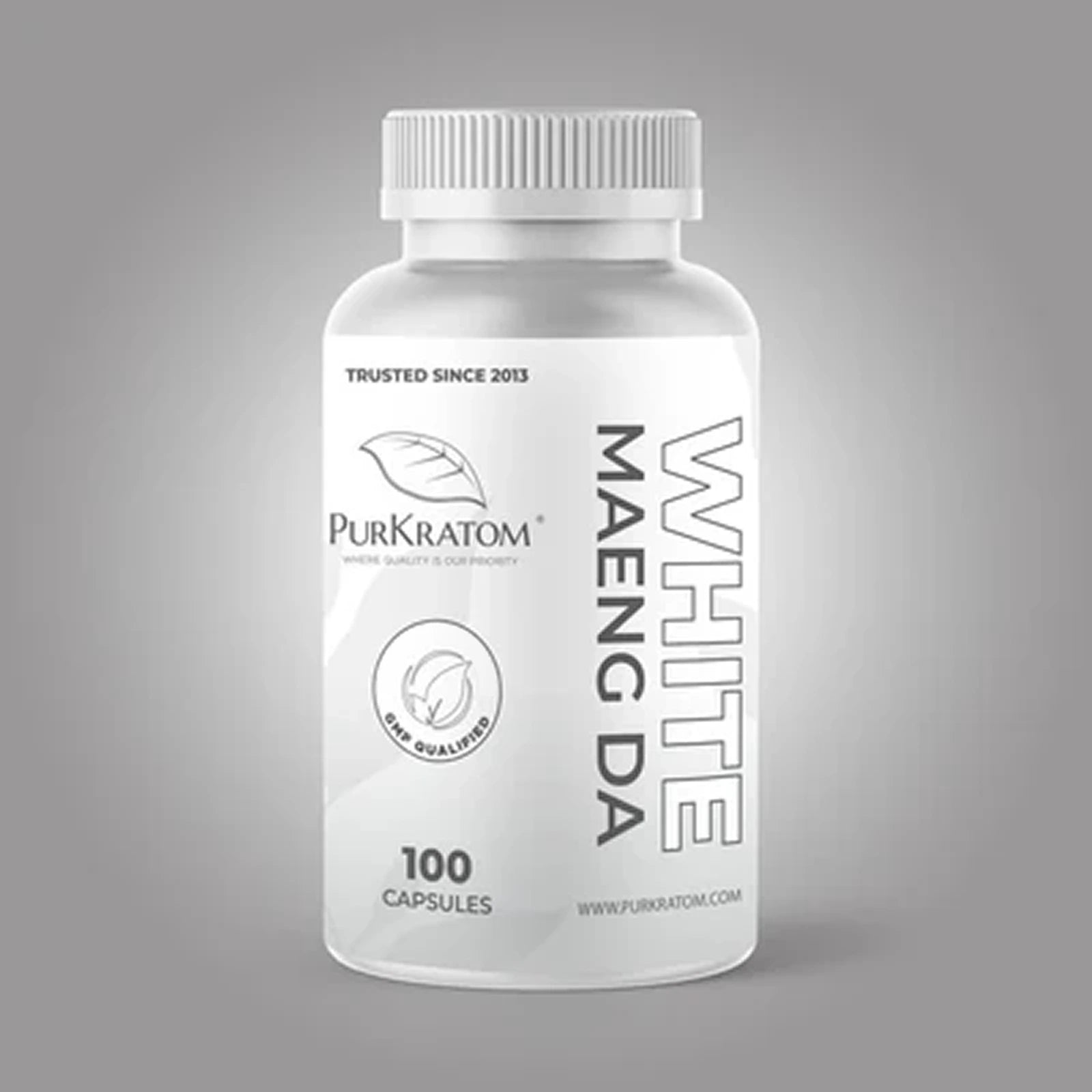
White Maeng Da Kratom Capsules
$26.99
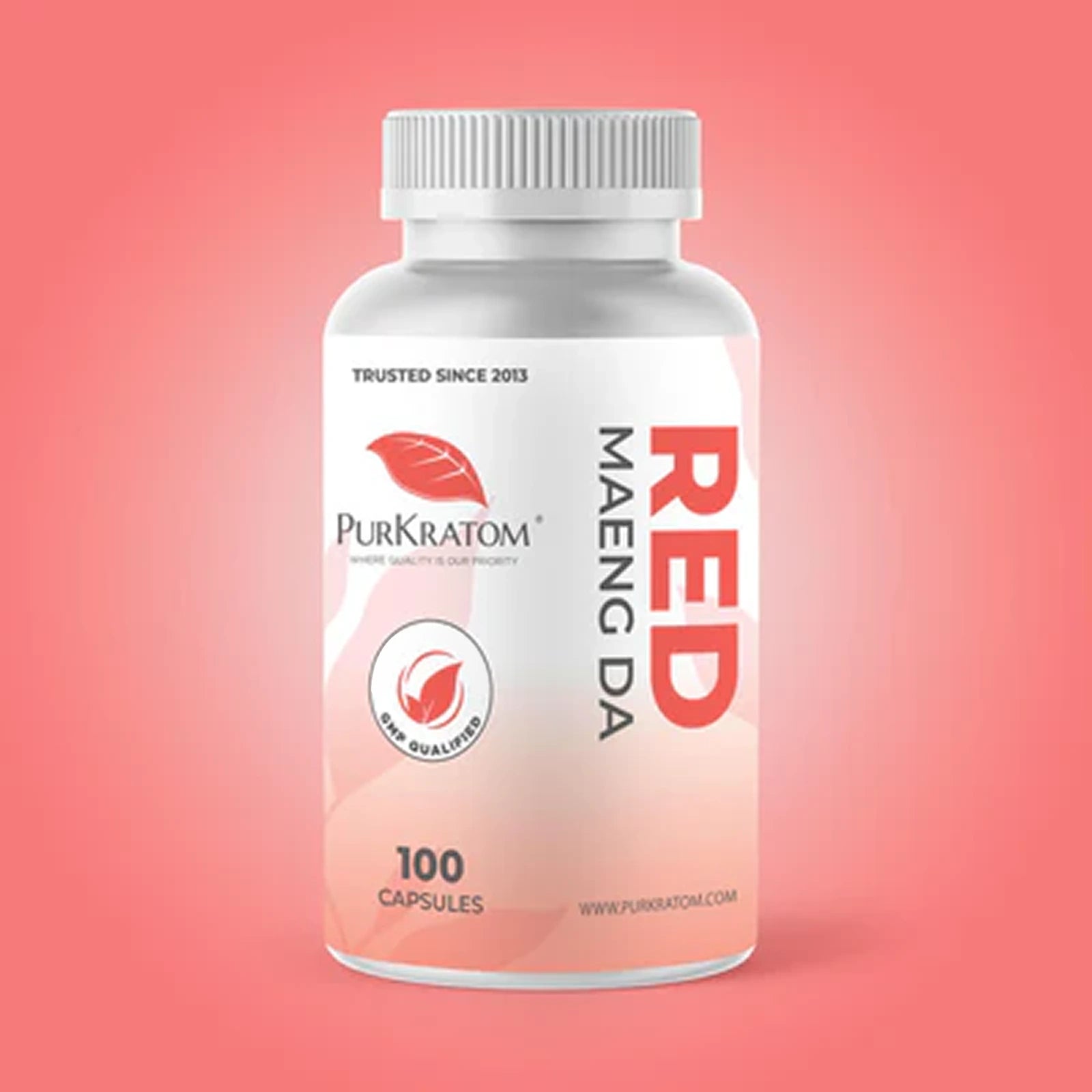
Red Maeng Da Kratom Capsules
$26.99

White Maeng Da Kratom Powder
$31.99
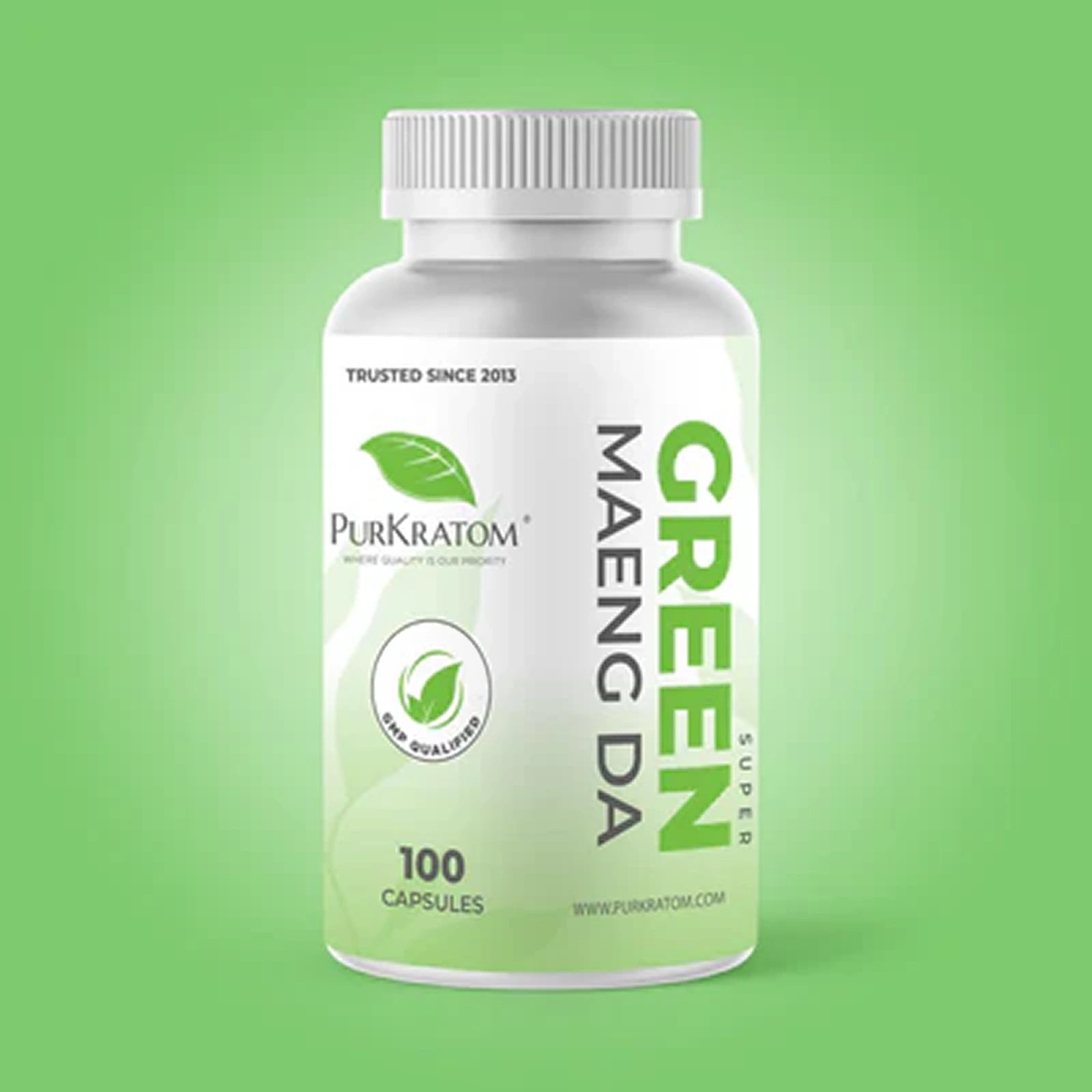
Super Green Maeng Da Kratom Capsules
$26.99

Green Maeng Da Kratom Powder
$31.99